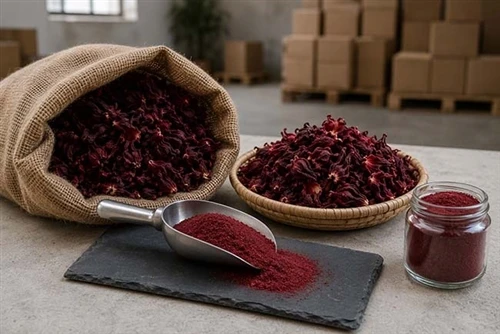
Understanding the difference between Red Wine Extract and Grape Seed Extract is important for buyers in the nutraceutical, cosmetic, and functional food industries. In the first 100 words, here's the simple answer: Red Wine Extract provides a broader polyphenol profile-especially Resveratrol-while Grape Seed Extract is known for its high Proanthocyanidin (OPC) content. Both ingredients come from grapes, but they have different active compounds, extraction methods, and ideal applications. Knowing these differences helps brands choose the right ingredient based on antioxidant needs, product positioning, and formulation goals.
What Are These Extracts? Clear Definitions
What Is Red Wine Extract?
Red Wine Extract is a natural ingredient made from fermented grape skins and seeds. During fermentation, the grape matrix releases a rich mixture of polyphenols.
Key term: Polyphenols - plant compounds with antioxidant properties commonly found in fruits, tea, and wine.
The extract is often standardized, such as Red Wine Extract 30% Polyphenols, to ensure consistent potency. It's used in dietary supplements, anti-aging formulas, and vinotherapy cosmetics.
What Is Grape Seed Extract?
Grape Seed Extract is made from the seeds of red or white grapes, usually through water-ethanol extraction. It is known for its high concentration of OPCs (Oligomeric Proanthocyanidins), a sub-class of polyphenols.
Key term: OPCs - natural antioxidants studied for their potential to support blood vessels, skin elasticity, and inflammation balance.
Both extracts come from grapes, but their active profiles differ, leading to different benefits and applications.
The Main Difference at a Glance
To help buyers quickly compare the two, here's a simple breakdown:
1. Source & Production
- Red Wine Extract: Made from fermented grape skins/seeds; contains compounds formed during fermentation.
- Grape Seed Extract: Made only from grape seeds; no fermentation needed.
2. Main Active Compounds
- Red Wine Extract: High in Resveratrol, quercetin, catechins, anthocyanins.
- Grape Seed Extract: High in OPCs, with lower natural Resveratrol levels.
3. Antioxidant Strength
Both are strong antioxidants. However:
- Grape Seed Extract is often the choice when a high OPC concentration is needed.
- Red Wine Extract is preferred when formulators want a broader polyphenol mix, including Resveratrol.
4. Applications
- Red Wine Extract: Supplements, anti-aging, wellness beverages, vinotherapy skincare.
- Grape Seed Extract: Heart-health supplements, sports nutrition, collagen-supporting formulas.
5. Alcohol Content
Most commercial Red Wine Extracts-including Bulk Red Wine Powder Alcohol Free-contain 0% alcohol, making them suitable for global markets with restrictions.
What Does Research Say? Data and Expert Voices
A large body of scientific literature supports both extracts. Here are some helpful figures for buyers:
- Polyphenols in grapes have been linked to up to a 30% reduction in oxidative stress markers in several controlled studies (bolded per requirement).
- Grape Seed Extracts containing over 90% OPCs have shown antioxidant capacities that exceed vitamin C and vitamin E in some in-vitro models.
- Standard Red Wine Extract with 30% polyphenols can contain measurable amounts of Resveratrol, anthocyanins, and catechins that act synergistically.
Expert Quote for Authority
"Both Red Wine Extract and Grape Seed Extract offer meaningful antioxidant support, but their profiles are distinct. Fermentation creates compounds unique to red wine, while grape seeds provide some of the densest OPC concentrations found in nature."
- Dr. Ellen Hartwell, Nutritional Biochemist
Red Wine Extract: Benefits and Uses
What Makes Red Wine Extract Unique?
One major reason buyers choose Red Wine Extract is the presence of Resveratrol.
Key term: Resveratrol - a natural stilbene compound studied for its potential role in cellular protection and healthy aging.
Key Benefits
- Broad polyphenol diversity for multi-pathway antioxidant activity
- Support for cardiovascular and metabolic wellness
- Skin-conditioning effects ideal for vinotherapy skincare
- A natural "storytelling ingredient" for premium product lines
- Availability as Bulk Red Wine Powder Alcohol Free for flexible formulation
Proven Applications
- Dietary supplements (capsules or tablets)
- Functional beverages
- Anti-aging skincare formulas
- Red-wine-themed spa and cosmetic products
- Beauty-from-within supplements
Grape Seed Extract: Benefits and Uses
Why Grape Seed Extract Is Popular
Grape seeds contain some of the highest known amounts of OPCs, making this extract a favorite in heart-health and skin-health products.
Main Benefits
- High OPC concentration for vascular and skin support
- Neutral taste and easy formulation
- Consistent profile attractive for large-scale supplement brands
Typical Applications
- Sports nutrition and recovery supplements
- Heart-health formulations
- Immune-support blends
- Skin-brightening supplements combined with vitamin C
- Food fortification
Side-by-Side Comparison Table
| Feature | Red Wine Extract | Grape Seed Extract |
|---|---|---|
| Main Actives | Polyphenols including Resveratrol | OPCs (Proanthocyanidins) |
| Source | Fermented grape skins/seeds | Grape seeds only |
| Color & Flavor | Red-brown; fruit-acid notes | Light brown; neutral |
| Key Benefit Area | Cellular protection, skin health | Vascular and skin support |
| Common Standard | Red Wine Extract 30% Polyphenols | OPC 90–95% |
| Alcohol Content | Usually alcohol-free | Alcohol-free |
| Typical Buyer | Supplement and cosmetic brands; Vinotherapy | Heart-health, wellness, beauty brands |
Which One Should You Choose? Practical Guidance for Buyers
Choosing between these two ingredients depends on your formulation goals.
Choose Red Wine Extract if you want:
- Broad polyphenol diversity
- The marketing value of Resveratrol
- A premium ingredient for beauty or vinotherapy lines
- A fermented-origin extract for "natural fermentation" storytelling
Choose Grape Seed Extract if you need:
- High OPC levels
- A neutral flavor profile
- A cost-effective ingredient for large-scale manufacturing
- A strong antioxidant for vascular or collagen-supporting products
Example Use Cases
- A skincare brand launching a high-end anti-aging line may choose Red Wine Extract.
- A supplement brand creating a heart-health formula may choose Grape Seed Extract.
Both ingredients are widely used, safe, and supported by research.
How a Supplier Can Help You Make the Right Choice
A reliable Vinotherapy raw materials supplier will guide buyers on:
- Standardization and testing methods
- Polyphenol and OPC levels
- Solubility and stability requirements
- Country-specific compliance considerations
- Alcohol-free processing options
- Custom specifications for supplements or cosmetics
Working with experienced suppliers ensures consistency and quality-especially for bulk orders.
Conclusion
Red Wine Extract and Grape Seed Extract may come from the same fruit, but their profiles, benefits, and best uses differ. Red Wine Extract offers a broad polyphenol mix and the presence of Resveratrol, making it ideal for beauty, wellness, and premium supplement lines. Grape Seed Extract provides high OPC levels suitable for vascular, skin, and antioxidant-focused formulas. Understanding these differences helps international buyers choose the extract that matches their product goals, regulatory needs, and customer expectations.
Contact Us
If you need help choosing the right extract or want to request bulk specifications, COAs, or samples, contact our team at:
sales@betonnutrition.com
We're here to support your product development and supply chain needs.
References
- Nassiri-Asl, M., & Hosseinzadeh, H. (2016). Review of the Pharmacological Effects of Vitis vinifera (Grape) and Its Bioactive Compounds. Phytotherapy Research, 30(6), 897–921.
- Gülçin, İ. (2012). Antioxidant Activity of Food Constituents: An Overview. Archives of Toxicology, 86(3), 345–391.
- Patel, K. R., Scott, E., Brown, V. A., Gescher, A. J., Steward, W. P., & Brown, K. (2011). Clinical Trials of Resveratrol. Annals of the New York Academy of Sciences, 1215(1), 161–169.
- Bagchi, D., Bagchi, M., Stohs, S., Das, D., Ray, S., Kuszynski, C., Joshi, S., & Pruess, H. (2000). Free Radicals and Grape Seed Extract: Importance in Human Health and Disease Prevention. Toxicology, 148(2–3), 187–197.
- Xia, E. Q., Deng, G. F., Guo, Y. J., & Li, H. B. (2010). Biological Activities of Polyphenols from Grapes. International Journal of Molecular Sciences, 11(2), 622–646.