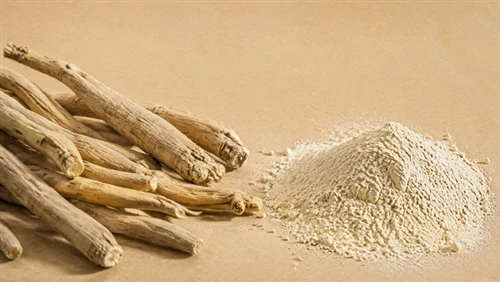
If you look through the ingredients list of almost any high-end male vitality supplement on the market today, you will likely spot a tongue-twisting botanical name: Ptychopetalum olacoides. Known colloquially across the Amazon rainforest as "Muira Puama" or "Potency Wood," this resilient plant has transitioned from traditional indigenous lore to a staple of modern wellness formulations.
But as a brand owner or R&D formulator, you face an increasingly skeptical marketplace. Modern consumers aren't buying the flashy "gas station gimmick" marketing of the early 2000s. They are actively searching for realistic answers to a fundamental question: Does muira puama actually work for men?
To help your development team separate marketing hype from clinical reality, I want to take an objective look at the phytochemistry and historical data behind this extraordinary botanical. By understanding exactly how muira puama works at a cellular level, you can build science-backed formulations that deliver genuine results for your customers.

The Botanical Identity: What is Ptychopetalum olacoides?
Before looking at the clinical data, it is critical to clarify exactly what plant we are talking about. The commercial supplement market frequently confuses two distinct species under the umbrella term "Muira Puama": Ptychopetalum olacoides and Ptychopetalum uncinatum.
At our manufacturing facilities, we focus exclusively on Ptychopetalum olacoides. This is the native Amazonian tree containing the specific profile of active alkaloids and sterols verified by modern research. The roots and bark are the primary reservoirs of these active compounds. When properly harvested and processed, they yield a dense, fibrous raw material that we extract using precise solvent-to-material ratios to isolate the core actives.
The Phytochemical Blueprint: Core Bioactive Compounds
Muira puama does not rely on a single "magic bullet" molecule. Instead, its efficacy stems from a complex matrix of fat-soluble and water-soluble phytochemicals. When we analyze our standardized extract via high-performance liquid chromatography (HPLC), three primary chemical families stand out:
1. Unique Alkaloids (Muirapuamine)
The most notable compound unique to this plant is muirapuamine. Alkaloids are naturally occurring organic nitrogen compounds that frequently exert powerful effects on the central nervous system (CNS). Muirapuamine interacts with neurotransmitter pathways, acting as a gentle nerve tonic. Rather than artificially forcing a physical response, it primes the nervous system to handle external stressors, which is crucial for psychological performance readiness.
2. Plant Sterols (Beta-Sitosterol & Lupeol)
Ptychopetalum olacoides is naturally rich in phytosterols, particularly beta-sitosterol, campesterol, and lupeol. These molecules are structural cousins to human steroid hormones. While they do not directly replace testosterone, they are heavily involved in modulating the body's endocrine pathways. Lupeol, in particular, has demonstrated notable anti-inflammatory and cellular protective benefits in tissue studies.
3. Resinic Acids and Free Fatty Acids
The resin portion of the bark contains complex mixtures of fatty acids-such as arachidic acid, lignoceric acid, and behenic acid-along with specific organic esters. These lipids are essential because they act as natural carriers that enhance the bioavailability of the plant's volatile oils and sterols, helping the human digestive tract absorb the active ingredients efficiently.
The Paris Institute of Sexology Study: Analyzing the Clinical Data
When consumers search Google to see if muira puama works, they are ultimately looking for human proof. The cornerstone of clinical validation for this botanical traces back to a highly celebrated human pilot study conducted by Dr. Jacques Waynberg at the Institute of Sexology in Paris (1990).
As formulators, it is vital to analyze this study accurately so you can set realistic expectations for your consumers. Dr. Waynberg evaluated a cohort of 262 male patients who were experiencing a distinct lack of sexual desire, physical fatigue, or an inability to maintain stable pelvic blood flow.
The participants were given a daily regimen of muira puama extract over a short period. The self-reported outcomes were remarkably consistent:
62% of the men who presented with a low baseline libido reported a dynamic, noticeable increase in overall sexual desire.
51% of the participants who experienced structural blood flow and maintenance issues reported a measurable improvement in their physiological performance.
Deciphering a Second Key Study
Dr. Waynberg followed this pilot up with a second study looking specifically at psychogenic performance issues-cases where the body is physically capable, but high stress and performance anxiety block functionality.
In this smaller sample of 100 men, researchers observed that muira puama significantly reduced the physiological markers of stress-induced fatigue. The plant didn't act as a localized mechanical vasodilator; instead, it worked from the top down, clearing the mental exhaustion that frequently triggers performance anxiety in middle-aged men.
The Three Pillars of Action: How It Works
Based on both historical human data and contemporary preclinical research, we can categorize muira puama's mechanism of action into three distinct functional pillars. This multi-pathway action is exactly what makes it such a compelling addition to premium male wellness lines.
Pillar 1: Adapting to Stress and Performance Anxiety
Unlike synthetic options that ignore a man's mental state, muira puama functions as an adaptogen and nervous system stimulant. High cortisol (the stress hormone) directly suppresses luteinizing hormone, which in turn reduces acute male vitality. By down-regulating the body's overactive "fight-or-flight" response, muira puama helps clear the psychological barriers that cause psychogenic performance dips.
Pillar 2: Supporting the Nitric Oxide Pathway
To maintain physical stamina and local blood flow, the endothelial cells lining a man's blood vessels must release nitric oxide (NO). Nitric oxide signals the smooth muscle tissue to relax, allowing for healthy pelvic circulation. Animal models studying Ptychopetalum olacoides indicate that its active sterols help protect and promote endothelial nitric oxide synthase (eNOS) activity, facilitating natural, unforced vasodilation.
Pillar 3: Acetylcholinesterase Inhibition
This is perhaps the most exciting mechanism for R&D teams. Modern pharmacological research indicates that muira puama acts as a mild acetylcholinesterase (AChE) inhibitor. AChE is an enzyme that breaks down acetylcholine, a crucial neurotransmitter responsible for sending autonomic nerve signals from the brain throughout the pelvic region. By slowing down this enzyme, muira puama helps maintain higher levels of acetylcholine, thereby sharpening the nerve signaling pathways necessary for sustained physical responsiveness.
Formulating with Reality: Delivery Formats and Timelines
One of the biggest mistakes a brand can make is marketing muira puama as a rapid, single-dose solution. When you educate your consumers on how the botanical actually works, you build long-term brand loyalty and drastically reduce return rates.
The Accumulation Timeline
Muira puama relies on a cumulative effect. The alkaloids and phytosterols must steadily build up within human tissue. Based on clinical observation, users typically report initial shifts in physical energy and stress resilience within 5 to 7 days, while the full structural benefits on blood flow and libido peak between 2 to 3 weeks of consistent, daily usage.
Format Considerations for R&D
Because the active sterols and resins in Ptychopetalum olacoides are naturally lipophilic (fat-loving), selecting the correct delivery format is essential for maximizing bioavailability:
Standard Capsules & Tablets: Highly effective if utilizing a concentrated, standardized extract (such as a 4:1 or 10:1 ratio) rather than raw, unextracted root powder. Raw powder requires a much higher dose to achieve the same concentration of muirapuamine.
Functional Beverages & Liquid Tinctures: Hydro-alcoholic liquid extracts are excellent because ethanol effectively dissolves the plant's active resins and sterols, ensuring they remain fully bioavailable in liquid forms.
Modern Gummy Formulations: Gummy matrices can accommodate muira puama extract beautifully, provided the formula includes a stabilizing emulsifier to cleanly integrate the fat-soluble resin fractions without altering texture or flavor profiles.
Sourcing a Compliant, High-Yield Extract
Ultimately, the answer to "Does muira puama work for men?" is a definitive yes-provided you are utilizing the genuine species, extracting it at a therapeutic potency, and formulating with its cumulative timeline in mind. It bridges a critical market gap by addressing both the physical and psychological dimensions of male aging.
As a manufacturer, we understand that supply chain reliability, rigorous batch testing, and botanical authenticity are what transform an average product into a market leader. We specialize in producing fully traceable, standardized Ptychopetalum olacoides extracts tailored specifically for functional food, beverage, and dietary supplement brands.
If your team is currently developing a male vitality formula, a clean-label energy blend, or an adaptogenic recovery complex, let us assist your R&D process. We provide comprehensive technical specifications, heavy metal validation reports, and ready-to-ship bulk stock to get your formulation to market seamlessly.
Authority References
The Institute of Sexology, Paris: Waynberg, J. (1990). Contributions to the Clinical Study of the Effects of Muira Puama on Asthenia and Sexual Dysfunction.
American Botanical Council (ABC): Extensive monographs on Amazonian aphrodisiac plants and the identification of true Ptychopetalum olacoides. abc.herbalgram.org
National Institutes of Health (PubMed): Preclinical evaluations confirming the acetylcholinesterase (AChE) inhibitory properties and neuroprotective qualities of native Brazilian Ptychopetalum. ncbi.nlm.nih.gov/pubmed
Phytomedicine Journal: Clinical evaluations regarding the adaptogenic, anti-stress, and behavioral impacts of Amazonian botanical extracts on chronic fatigue models.