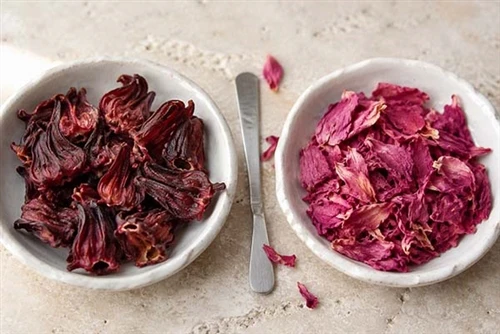
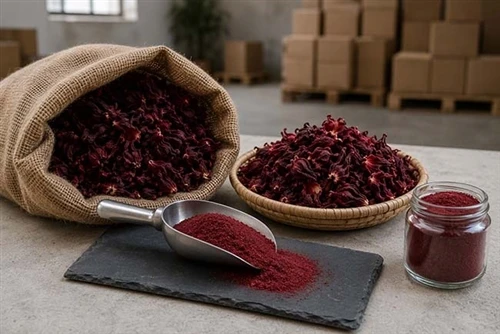
Cornus officinalis (Shan Zhu Yu) has become increasingly strategic in herbal formulations-not just for its traditional kidney-tonic profile, but because modern phytochemistry has isolated well-characterized active markers that enable consistent, research-backed finished products. In this article, I break down the four most important constituents: morroniside, ursolic acid, polysaccharides, and flavonoids. For each, I cover structure, mechanism of action, health value, dose‑response relationships, and industrial standardization specs you can directly use in formulation design.

1. Morroniside – The Primary Iridoid Marker
Morroniside is the most widely quantified iridoid glycoside in Cornus officinalis and the primary standardization marker in commercial extracts.
Chemical Structure
Iridoid glycoside with a cyclopentanopyran skeleton, highly stable under typical extraction and processing conditions.
Molecular Mechanisms & Targets
Activates the Nrf2/ARE signaling pathway, enhancing endogenous antioxidant enzyme expression (SOD, CAT, GSH‑Px).
Modulates inflammatory cytokines (TNF‑α, IL‑1β, IL‑6) by inhibiting NF‑κB translocation.
Supports renal cell protection by reducing oxidative stress in tubular epithelial cells.
Health Value for Formulation
Renal health & kidney function support
Antioxidant & anti‑aging
Neuroprotective activity
Dose–Effect & Standardization
Typical extract specification: 0.3% – 2% morroniside by HPLC
Finished product daily equivalent: 10–50 mg of standardized extract
Dose-dependent response observed in antioxidant and anti-inflammatory models
2. Ursolic Acid – Triterpene for Metabolic & Cellular Health
Ursolic acid is a pentacyclic triterpenoid found in the fruit cuticle and inner tissue. It is lipophilic and widely studied in sports nutrition, metabolic health, and anti‑aging formulations.
Chemical Structure
Pentacyclic triterpene acid, moderate lipophilicity, suitable for capsules, tablets, and lipid‑based delivery systems.
Molecular Mechanisms & Targets
Activates AMPK signaling, supporting glucose and lipid metabolism balance.
Inhibits matrix metalloproteinases (MMPs) to protect collagen and elastin.
Modulates PI3K/Akt pathways to support cellular homeostasis.
Health Value for Formulation
Metabolic wellness
Skin anti-aging (oral supplements)
Muscle function & exercise recovery
Liver protection
Dose–Effect & Standardization
Commercial extract range: 0.1% – 0.5% ursolic acid
Effective human‑relevant dose range: 5–20 mg/day in finished products
Synergizes well with green tea extract, resveratrol, and curcumin
3. Cornus Officinalis Polysaccharides – Macromolecular Immune Modulators
Polysaccharides are high-molecular-weight carbohydrates composed of glucose, galactose, arabinose, and rhamnose. They are water-soluble, highly stable, and ideal for functional beverages, oral liquids, and powder stick packs.
Chemical Structure
Branched heteropolysaccharides; molecular weight typically 5×10⁴ – 3×10⁵ Da.
Molecular Mechanisms & Targets
Activate macrophages and NK cells through TLR4 signaling.
Enhance cytokine production (IL‑2, IFN‑γ) for adaptive immune support.
Scavenge free radicals directly as non-enzymatic antioxidants.
Health Value for Formulation
Immune system support
Intestinal barrier function improvement
General adaptogenic & anti‑fatigue effects
Dose–Effect & Standardization
Industry standard: 30% – 60% polysaccharides by UV‑vis
Recommended daily intake in finished products: 100–300 mg
Clear dose-dependent immune-enhancing activity in preclinical models
4. Flavonoids – Secondary Antioxidant & Vascular Support
Cornus officinalis contains quercetin, kaempferol, and their glycosides. Though present in lower concentrations, they strongly synergize with other components and improve formulation stability.
Chemical Structure
Polyphenolic flavonoid glycosides, amphiphilic, compatible with both aqueous and lipid formulations.
Molecular Mechanisms & Targets
Direct free‑radical scavenging (DPPH, ABTS, hydroxyl radicals).
Inhibit LDL oxidation to support vascular health.
Regulate endothelial function via NO signaling.
Health Value for Formulation
Cardiovascular & vascular protection
Enhanced overall antioxidant effect
Synergistic stabilizer for multi-component formulas
Standardization
Typical content: 0.5% – 2% total flavonoids
Often used as a secondary quality indicator
Synergistic Effects – Why Full-Spectrum Extract Outperforms Isolates
From a formulation perspective, the real strength of Cornus officinalis extract lies in component synergy:
Morroniside + flavonoids = stronger antioxidant response
Ursolic acid + polysaccharides = balanced metabolic + immune support
Polysaccharides improve water solubility and taste for functional foods
This is why professional buyers increasingly prefer full-spectrum standardized extracts over single compounds.
For supplement and functional food brands aiming to build high-EEAT, research-backed products, Cornus officinalis extract is no longer just a traditional herb-it is a chemically defined, mechanism-proven raw material.
Morroniside, ursolic acid, polysaccharides, and flavonoids each have clear molecular targets, measurable dose responses, and reliable standardization methods. Whether you are developing renal health supplements, immune powders, anti-aging tablets, or functional beverages, these components provide your formulation team with scientific grounding for claims, production stability, and market differentiation.
If you are developing a new formula, we can provide custom standardized extracts, technical data sheets, and formulation support tailored to your target claims. Please via dh@betonnutrition.com
References
PubMed: Pharmacological activities of Cornus officinalis iridoid glycosides (morroniside)
ScienceDirect: Triterpenoids and polysaccharides from Cornus officinalis
Chinese Pharmacopoeia 2025 Edition: Quality standards of Cornus Officinalis Fructus
EFSA NDA Panel: Botanical substances in food supplements
CNKI: Phytochemical and pharmacological research progress of Cornus officinalis