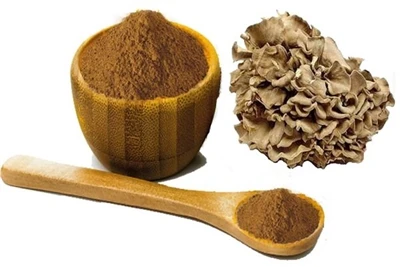
When it comes to the Internet celebrity cranberry, many people have mixed reviews about it. Some people think that it is "women's ruby", which is of great benefit to women's health and is the gospel of female friends, while some people think that cranberry is over-hyped and its effect is extremely limited.
Has the "friend of women" cranberry really fallen from the altar? of course not! A study published May 28 in Advanced Science suggests that organic cranberry extract powder can also help fight bacteria that, when treated with cranberry molecules, become more sensitive to low doses of antibiotics. What's more, the researchers found that the bacteria did not develop resistance to antibiotics. The research was led by McGill University in Canada and the National Institute of Science (INRS) in Montreal, Canada.
The reason why it is popular all over the Internet is that in addition to its sweet and sour taste and rich nutrition, its medical and health value is far higher than its edible value, and it has outstanding performance in the following aspects.
Care for private health
Cranberry contains a special compound - concentrated tannic acid, which can effectively prevent germs from entering the pelvic cavity, help us prevent inflammation of the fallopian tube system and improve urinary system health problems, and it is also very helpful for pelvic cavity health.

Anti aging skin
Contains rich anthocyanins, Europeans call anthocyanins "skin vitamins" because it can restore collagen vitality and make skin smooth and elastic. Anthocyanins also protect the body from sun damage and promote healing of skin blemishes. At the same time, the vitamin C in cranberry can effectively fight against free radicals, promote collagen synthesis, and make the skin young, healthy and white.
super antioxidant
Rich in vitamin C, vitamin C has a strong antioxidant effect, cranberries have a very high level of vitamin C content, and cranberries are rich in proanthocyanidins, which are currently widely recognized to scavenge free radicals in the human body The most effective natural antioxidant, the anti-free radical oxidation ability of cranberry is 50 times that of vitamin E.
Antibacterial properties of cranberries
Contains a large amount of proanthocyanidins, flavonols and hydroxycinnamic acid, these ingredients in the human body can prevent the adhesion and aggregation of bacteria in the mucous membrane, less biofilm formation, thereby reducing inflammation.
Antibacterial properties of proanthocyanidins in cranberry are related to their degree of polymerization and ratio of type A/B bonds. Procyanidins with a high degree of polymerization can better inhibit the growth of Candida, and procyanidins with a higher proportion of A-type bonds also have better antibacterial effects and can more effectively inhibit the activity of bacteria.
Proanthocyanidins interfere with bacterial aggregation in the early stage of infection, prevent bacteria from multiplying and form biofilms, and achieve antibacterial effects—the hydroxyl structure widely present in proanthocyanidins can promote the formation of hydrogen bonds between molecules, allowing small molecules to aggregate and interact with receptors on the cell surface Interaction, interfering with the mutual adhesion of bacteria, hindering the formation of biofilms of bacteria in the mouth, stomach, urinary tract, female vagina, small intestine and colon.
In organic cranberry extract powder, there are also non-phenolic compounds such as isoprenoid, ursolic acid and xyloglucan, as well as active ingredients such as arabinose glucan, which cooperate with proanthocyanidins to more effectively prevent bacteria from attacking epithelial cells Cell adhesion and biofilm formation.
The metabolites of cranberry polyphenols in the colon, including hydroxylated benzoic acid and phenylacetic acid, can also effectively inhibit the adhesion of uropathogenic Escherichia coli to bladder epithelial cells and the formation of biofilms.
Regulate intestinal flora metabolism
The balance of gut flora is one of the key factors in human health, as they affect the availability and metabolism of food components. The integrity of the intestinal mucosal barrier can provide effective resistance to harmful microorganisms in food and the environment.
If the intake of saturated fat and sugar in the daily diet is high, while the intake of fiber is low, it will lead to the impairment of the intestinal mucosal barrier function, increase the permeability of the intestinal tract, and make it easier for bacterial endotoxins to enter the human body. Endotoxins enter the blood and tissues, stimulate the innate immune response of macrophages, neutrophils, endothelial cells and adipocytes, and cause inflammation in the body.
Cranberry extract can alleviate intestinal mucosal barrier dysfunction and chronic inflammation caused by unbalanced diet, and reduce the levels of inflammatory factors such as endotoxin and TNF-α in plasma.
Promote lipid metabolism
In a study involving 30 patients with type 2 diabetes who took cranberry extract daily for 12 weeks, both LDL and total cholesterol decreased.
Lower blood pressure
Studies have proven that organic cranberry extract powder can help lower blood pressure. In the experiment, volunteers with obesity, type 2 diabetes, metabolic syndrome and cardiovascular disease were supplemented with 346-835 mg of cranberry polyphenols daily for a period of time, with the intake of cranberry extract increased, systolic blood pressure decreased by an average of 3mmHg.
In a population of volunteers without other diseases, daily low-dose cranberry extract supplementation for 8 weeks resulted in an average reduction in diastolic blood pressure of 4.7mmHg.
Regulate blood sugar metabolism
In animal experiments, cranberry polyphenols exhibited multiple regulatory effects on glucose metabolism-inhibiting the digestion and absorption of carbohydrates in the intestine, stimulating the secretion of insulin by pancreatic beta cells, and activating insulin receptors in insulin-sensitive tissues. Promotes the absorption of sugar and regulates the release of glycogen from the liver.
Clinical studies have also shown that increasing the intake of polyphenols from food sources (cranberry extract contains a large amount of polyphenols) can promote blood sugar control in patients with type 2 diabetes.