A "20% aescin" horse chestnut extract quoted by Supplier A is not necessarily equivalent to a "20%" quote from Supplier B. The difference can cost you tens of thousands of dollars per shipment. Worse, it can derail your entire product registration dossier. Two variables drive this gap almost every time: the assay method (UV spectrophotometry vs. HPLC) and the botanical source (Aesculus hippocastanum vs. Aesculus chinensis). If you don't specify both on your RFQ, you are comparing apples to oranges.
If you've ever stared at two Certificates of Analysis that both say "20%" but differ in price by 40%, you already know this trap. Consider what happened to Marco, a procurement director at a mid-size European supplement brand. In March 2024, he received two quotes for "horse chestnut extract 20% aescin": one at $28/kg, the other at $42/kg. He went with the cheaper option. Three months later, his R&D team discovered the $28 material tested at only 15.8% by HPLC. The supplier had used UV spectrophotometry, which inflated the number by nearly 27%. Marco's cost savings evaporated. He had to reformulate, delay the product launch by six weeks, and absorb $12,000 in wasted pilot batches. The lesson is simple: if the assay method isn't on your RFQ, you're not comparing the same material.
The good news: once you understand the interplay between species, standardization grades, test methods, and pharmacopoeia compliance, the procurement picture becomes sharp and predictable. This guide covers the science behind the active compound, how to read a spec sheet correctly, and which grade fits which application. You'll also get the exact questions to ask a horse chestnut extract manufacturer before placing a bulk order. By the end, you'll have a decision framework you can apply to your next RFQ, whether you're sourcing for dietary supplements, pharmaceutical APIs, or cosmetic formulations.
Key Takeaways
"20% aescin" is meaningless without an assay method. UV spectrophotometry typically inflates the number by 20-30% compared to HPLC, which is the European Pharmacopoeia (EP) standard method. Always specify "HPLC-grade" content on your RFQ.
Species matters pharmacopoeially. Aesculus hippocastanum (European) is the species recognized by EP, USP, and BP monographs. Aesculus chinensis is recognized by the Chinese Pharmacopoeia. Specify the species that matches your target regulatory market.
Three commercial grades serve three industries. 16-21% (clinical-grade extract) for supplements, 40% for intermediate pharmaceutical use, and >=95-98% beta-aescin (HPLC) for pharmaceutical API and high-end cosmetic formulations.
The EP reference standard is EPY0001527. Any HPLC assay claiming EP compliance must use this EDQM-issued standard (CAS 6805-41-0, MW 1131.27) for system suitability testing.
Demand is accelerating. The market is projected to grow from approximately $85M (2023) to $190M by 2030 at ~12% CAGR, driven by pharmaceutical applications (43.5% of revenue) and rising cosmetic use in anti-cellulite and eye-contour products.
1. What Is Horse Chestnut Extract? Botany, Species & Active Compounds
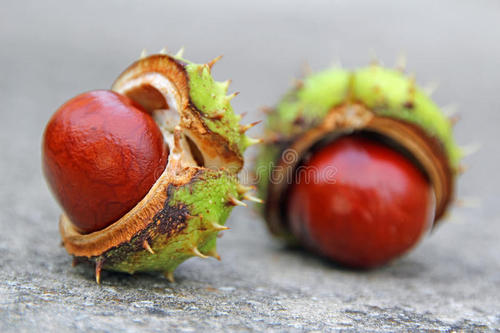
Horse chestnut extract comes from the seeds of Aesculus hippocastanum L., a large deciduous tree native to the Balkan Peninsula and now widely cultivated across Europe and North America. The botanical's pharmacological value centers on a complex mixture of triterpene saponins collectively known as aescin (also written as escin), the compound responsible for the extract's venotonic, anti-edematous, and anti-inflammatory properties.
Raw seeds contain 3-6% aescin by dry weight, alongside flavonoids like quercetin and kaempferol, proanthocyanidin A2, and coumarins (aesculin, fraxin). Commercial extracts are standardized to concentrate the active fraction to 16-21% for clinical use, with higher-purity grades (40%, 95-98%) available for pharmaceutical and cosmetic applications.
1.1 Aesculus hippocastanum vs. Aesculus chinensis: Which Species for Your Spec?
This is the first specification fork, and it has regulatory consequences:
| Parameter | Aesculus hippocastanum | Aesculus chinensis |
|---|---|---|
| Common name | European horse chestnut | Chinese horse chestnut |
| Pharmacopoeia recognition | EP, USP, BP | Chinese Pharmacopoeia (ChP) |
| Primary market | Europe, North America | China, pan-Asia |
| EP monograph | Hippocastani semen (monographs 1829/1830) | Not listed in EP |
| Saponin profile | beta-form dominant | Similar profile, different ratios |
| Regulatory dossier | Preferred for EU/US submissions | Preferred for China NMPA submissions |
If your finished product targets the European Union or United States, specify Aesculus hippocastanum on your raw material spec sheet. Submitting a product formulated with A. chinensis in an EU dossier may trigger additional regulatory questions, since the EP monograph for Hippocastani semen is explicitly written for the European species.
1.2 The Active Compound: beta-Aescin and the Saponin Mixture
The active principle is not a single molecule. It is a mixture of triterpene saponin glycosides with the molecular formula C55H86O24 and a molecular weight of 1131.27 Da. The mixture is broadly divided into:
beta-Aescin (CAS 11072-93-8): the pharmacologically dominant form, comprising the majority of the active saponin fraction. It contains five key sapogenins (aescin Ia, Ib, IIa, IIb, and IIIa), esterified with organic acids (angelic, tiglinic, acetic).
alpha-Aescin (isoescin): a less bioactive isomer, differentiated by melting point, hemolytic index, and water solubility.
Kryptoescin: a water-soluble fraction with considerably lower pharmacological activity.
For B2B purposes, when a supplier quotes "aescin content," they are typically referring to total saponins (the full mixture). If your formulation demands the highest pharmacological potency, particularly for pharmaceutical applications, you should specify beta-aescin content by HPLC, not the total by UV.
1.3 Sodium Aescinate vs. Aescin: The Pharmaceutical API Distinction
Sodium aescinate (CAS 20977-05-3) is the water-soluble sodium salt, developed specifically for injectable and parenteral pharmaceutical formulations. It is widely used in Asian clinical settings (particularly Japan and China) to reduce post-operative edema and inflammation after surgery or trauma.
The distinction matters for procurement: sodium aescinate is a pharmaceutical API, not a botanical extract. It requires a different regulatory pathway (API drug master file, GMP for drug substances) compared to the standardized botanical, which may be classified as a dietary ingredient or herbal medicinal product depending on the market. An RFQ that says "aescin" when you need sodium aescinate will deliver the wrong material, and the wrong regulatory pathway.
2. Aescin Mechanism of Action: The Science Behind the Spec Sheet
Aescin's mechanism of action directly determines which applications your raw material can support, what claims survive regulatory review, and how you position your finished product. In short: the active compound produces its pharmacological effects through three primary pathways: (1) reducing capillary permeability by inhibiting lysosomal enzymes, (2) increasing venous tone via calcium channel sensitization and endothelial NO synthesis, and (3) suppressing inflammation through phospholipase A2 inhibition and NF-kB modulation.
Here is the breakdown:
2.1 Capillary Permeability & Anti-Edema Action
The most robustly documented mechanism is the reduction of capillary permeability. The compound works by inhibiting lysosomal enzymes (specifically hyaluronidase and elastase) that break down proteoglycans in the capillary endothelium. Think of these enzymes as molecular scissors that punch holes in the capillary wall, allowing fluid to leak into surrounding tissue. By blocking them, the active maintains the integrity of the endothelial glycocalyx and prevents excessive fluid extravasation. This is why the anti-edematous effect is real, not diuretic. It doesn't increase urine output; it stops fluid from leaking out of vessels in the first place.
2.2 Venotonic Effects
The saponin mixture increases venous tone by sensitizing calcium ion channels in the vessel wall, which increases contractility of venous smooth muscle. It also induces endothelial nitric oxide (NO) synthesis by making endothelial cells more permeable to calcium ions, and stimulates the release of prostaglandin F2alpha, which antagonizes the vasodilatory effects of histamine and serotonin. The net effect: veins contract more forcefully, blood pools less, and venous return improves.
2.3 Anti-Inflammatory Pathways
Beyond capillary sealing, the compound exhibits direct anti-inflammatory activity through inhibition of phospholipase A2, modulation of NF-kB signaling, and reduction of pro-inflammatory cytokine production (TNF-alpha, IL-1beta, IL-6). In select animal models, the anti-inflammatory potency has been compared to 7-8x that of hydrocortisone, though this preclinical finding should not be extrapolated to clinical equivalency claims (Sirtori, 2001; Gallelli, 2019).
Want to see how these mechanisms translate into formulation-ready horse chestnut extract product specifications? Explore our product page.
3. Health Benefits & Clinical Evidence
Note: The following is a review of published scientific literature. The extract and its active compound are studied for these applications; KH Health supplies raw ingredients and makes no therapeutic claims.
3.1 Chronic Venous Insufficiency (CVI) & Varicose Veins
This is the gold-standard indication for horse chestnut extract, backed by the strongest evidence base. The landmark Cochrane systematic review of 17 randomized controlled trials (Pittler & Ernst, 2012) concluded that the extract is an efficacious and safe short-term treatment for CVI. Key findings:
Six placebo-controlled trials reported a significant reduction in leg pain vs. placebo (WMD 42.4 mm on a 100 mm VAS; 95% CI 34.9-49.9).
Meta-analysis of six trials (n=502) showed a mean leg volume reduction of 32.1 mL in favor of HCSE vs. placebo.
One trial (Diehm et al., 1996) suggested HCSE may be as effective as compression stockings for leg-volume reduction, making it an attractive option for patients with poor compression compliance.
German Commission E approved the extract for CVI treatment, with a recommended dose of 100-150 mg aescin per day (equivalent to 250-312.5 mg standardized extract twice daily). The EMA's well-established use monograph for horse chestnut seed further reinforces its regulatory standing in Europe.
3.2 Hemorrhoids & Post-Operative Edema
Because hemorrhoids are essentially varicosities of the hemorrhoidal venous plexus, the venotonic and anti-inflammatory mechanisms are pharmacologically relevant. One double-blind, placebo-controlled trial of 80 patients found that the active (40 mg three times daily) improved pain, bleeding, and swelling within one week. For post-operative edema, topical gel (1-2% aescin) has been studied for reducing swelling and tenderness after blunt trauma and surgical procedures.
3.3 Anti-Aging, Skin Microcirculation & Under-Eye Puffiness
In cosmetics, the capillary-stabilizing action translates to reduced under-eye puffiness, improved microcirculation, and anti-cellulite effects. By sealing leaky capillaries in the dermis, the compound reduces the fluid accumulation that contributes to puffiness and the orange-peel texture associated with cellulite. This mechanism is distinct from caffeine-based cellulite actives (which stimulate lipolysis). It makes the ingredient particularly suitable for formulations targeting vascular-type dark circles and couperose/rosacea-prone skin.
3.4 Sports Recovery & Heavy-Leg Syndrome
In the 1970s, sports medicine practitioners at several German and Italian football clubs reportedly incorporated horse chestnut-based preparations into player recovery protocols after soft-tissue injuries. The logic was straightforward: if the active compound could reduce capillary leakage and post-traumatic edema in CVI patients, the same mechanism should help limit swelling after athletic trauma. While the modern evidence base for athletic recovery is less robust than for CVI, the pharmacological rationale is sound. Reducing capillary leakage after trauma should, in theory, limit swelling and speed recovery. Today, the Reparil clinical program continues to document efficacy in blunt-tissue trauma, keeping this application relevant for sports nutrition formulators.

4. Horse Chestnut Extract vs. Aescin: What's the Difference?
This question comes up in nearly every B2B inquiry we receive. The extract is the full-spectrum botanical derived from the seeds, containing aescin along with flavonoids, tannins, and coumarins. Aescin (escin) is the isolated, purified saponin mixture, the single most pharmacologically active fraction within that extract. All standardized extracts contain the active, but not all aescin is sold as a crude botanical.
| Parameter | Standardized Extract | Isolated Aescin |
|---|---|---|
| What it is | Full-spectrum botanical | Purified saponin mixture |
| Typical content | 16-21% (standardized) | 95-98% beta-aescin (HPLC) |
| CAS number | N/A (botanical material) | 6805-41-0 (mixture); 11072-93-8 (beta-form) |
| Primary use | Dietary supplements, herbal medicines | Pharmaceutical API, high-end cosmetics |
| Cost | Lower | Significantly higher |
| Regulatory classification | Botanical ingredient / herbal medicinal product | Pharmaceutical API / purified compound |
| Pharmacopoeia | EP Hippocastani semen extract | EP aescin monograph; USP escin |
The practical takeaway: If you're formulating a dietary supplement capsule, the 16-21% standardized extract is typically what you need. If you're developing a pharmaceutical product or a premium cosmetic active, isolated aescin (>=95% beta-form by HPLC) is the appropriate grade.
5. Specifications & Standardization: How to Read a Spec Sheet
Most procurement mistakes happen here. A spec sheet that looks complete can still hide critical ambiguities. In our experience, the UV-vs-HPLC gap catches at least one new buyer per quarter.
5.1 The 20% / 40% / 98% Grades Explained
| Grade | Active Content | Typical Application | Notes |
|---|---|---|---|
| Standardized extract | 16-21% aescin | Dietary supplements, herbal medicines | Clinical-grade used in most RCTs; Commission E dose is based on this |
| Intermediate | ~40% aescin | Pharmaceutical intermediates, fortified supplements | Concentrated for higher-potency formulations |
| Isolated | >=95-98% beta-aescin (HPLC) | Pharmaceutical API, premium cosmetics | Highest purity; used in Reparil-type formulations |
5.2 UV vs. HPLC: Why the Test Method Changes the Number
This is the trap from the opening example: UV and HPLC measure fundamentally different things.
UV spectrophotometry (the older method, historically used in the German Pharmacopoeia/DAB) measures total saponins using a single marker. It is a non-selective method: any compound absorbing at the detection wavelength contributes to the reading. This means UV typically overestimates aescin content by 20-30% compared to HPLC, because non-target saponins and other UV-absorbing compounds are included in the total.
HPLC (the European Pharmacopoeia method) separates and quantifies individual saponin peaks. The EP assay uses internal markers (methyl salicylate and ibuprofen) to define the range of peaks to be integrated, and a system suitability test must be performed with the EP reference standard EPY0001527 for system suitability testing (Aescin for LC assay HRS, CAS 6805-41-0).
What this means for buyers: A supplier quoting "20% aescin by UV" may be delivering material that tests at only 15-16% by HPLC. Your competitor sourcing HPLC-grade 20% material gets more active compound per kilogram. Both spec sheets say "20%." Only one is honest.
Always specify on your RFQ: "Active content >= X% by HPLC, using EP reference standard EPY0001527 for system suitability."
5.3 Aesculus hippocastanum (European) vs. Aesculus chinensis (Chinese Pharmacopoeia)
As noted in Section 1.1, the species must match your target regulatory market. Some suppliers offer A. chinensis at a lower price point. It's a valid raw material for the Chinese market, but it is not recognized by the EP monograph for Hippocastani semen. If your dossier cites the EP monograph, your raw material must be A. hippocastanum.
5.4 Pharmacopoeia Compliance: USP, BP, EP, and the EP Reference Standard
| Pharmacopoeia | Monograph | Key Requirement |
|---|---|---|
| European Pharmacopoeia (EP) | Hippocastani semen (1829/1830); Hippocastani extractum | HPLC assay; minimum 1.5% triterpene glycosides (as protoaescigenin) in raw seed; EP reference standard EPY0001527 for SST |
| United States Pharmacopoeia (USP) | Hippocastani semen | Dried seeds of A. hippocastanum; UV-based assay historically |
| British Pharmacopoeia (BP) | Horse Chestnut Seed | Aligned with EP approach |
| Chinese Pharmacopoeia (ChP) | Semen Aesculi | Recognizes A. chinensis; relevant for China NMPA submissions |
The EP reference standard EPY0001527 (Aescin for LC assay HRS) is the critical analytical anchor. Supplied by EDQM in 150 mg units, it is a mixture (not a single compound), and it must be used for the system suitability test in any HPLC assay claiming EP compliance. If your supplier cannot confirm they use this standard, their HPLC numbers are not EP-compliant.
6. Applications by Industry
6.1 Dietary Supplements
Horse chestnut extract is one of the best-selling herbal supplements for vein health in Europe, the third most popular single-herb product in Germany after ginkgo and St. John's wort. Common formulations include:
Standalone capsules/tablets: 250-312.5 mg standardized extract (~50 mg active per dose), taken twice daily for a total of ~100 mg/day
Combination vein-health complexes: paired with diosmin, hesperidin, butcher's broom (Ruscus aculeatus), circulation-supporting botanical ingredients like ginger, or red vine leaf extract for synergistic venotonic effects. For guidance on combining complementary botanical extracts, see our botanical synergy guide.
Enteric-coated tablets: recommended by Commission E to prevent GI upset, since the active can be irritating to the gastric mucosa
Formulation note: Always ensure the extract has been processed to remove aesculin (a toxic coumarin glycoside present in raw seeds). Reputable suppliers will confirm aesculin removal on the COA.
6.2 Pharmaceuticals
The pharmaceutical lineage is anchored by two established brands:
Reparil (Meda Pharma/Mylan): available as oral dragees and transdermal gel, studied for blunt trauma injuries and CVI. The gel formulation delivers the active transdermally for local anti-inflammatory and anti-edematous effects.
Venostasin: a long-standing HCSE-based pharma brand in the German market, built on the Commission E-approved indication.
Sodium aescinate injection remains in clinical use in Japan and China for post-operative edema management, though this parenteral form is not approved in the United States.
6.3 Cosmetics & Skincare
The active saponin fraction is gaining traction in premium skincare, particularly in:
| Application | Mechanism | Typical Use Level |
|---|---|---|
| Anti-cellulite creams | Reduces capillary leakage in subcutaneous tissue | 1-3% extract |
| Eye contour / under-eye puffiness | Decongests microvasculature; reduces fluid accumulation | 0.5-2% extract |
| Rosacea / couperose | Strengthens capillary walls; reduces visible redness | 1-2% extract |
| Scalp microcirculation | Improves nutrient delivery to hair follicles | 1-2% extract |
INCI: Aesculus hippocastanum seed extract. Real-world examples include Madara Cosmetics' anti-cellulite formulations and various Dead Sea-based contour creams that leverage the vascular-stabilizing properties.
Take the case of Elena, a senior formulator at a Baltic skincare brand. When she set out to develop an under-eye cream targeting vascular-type dark circles, she initially tried caffeine and vitamin K, two standard ingredients for puffiness. The results were underwhelming. After reviewing the capillary-sealing literature, she reformulated with 1.5% standardized HCSE (16% aescin, HPLC-verified) as the primary active. Consumer panel testing over eight weeks showed a measurable reduction in under-eye puffiness scores, and the product became one of the brand's top-three SKUs within a year. The key, Elena noted, was specifying HPLC-grade material from the outset, ensuring the active content matched what the clinical literature supported.
Ready to source clinical-grade material for your next formulation? Request a spec sheet and free sample from KH Health.
6.4 Functional Foods & Veterinary (Emerging)
Functional food applications (fortified beverages, vein-health snack bars) are an emerging segment, particularly in Europe where botanical claims have clearer regulatory pathways. Veterinary use is also growing, with the active studied for circulatory support in companion animals and performance horses.
7. Quality Control & Certifications: What to Verify on a COA
A COA is only as good as the testing behind it. For horse chestnut extract, these are the parameters that actually matter:
Mandatory COA Parameters:
| Parameter | Spec to Require | Why It Matters |
|---|---|---|
| Active content | >= X% by HPLC (specify method + EP standard) | Determines dose accuracy |
| Aesculin | Not detected / below LOQ | Toxic coumarin; must be removed during processing |
| Heavy metals | Pb < 3 ppm, As < 2 ppm, Cd < 1 ppm, Hg < 0.1 ppm | ICH Q3D compliance for pharmaceutical use |
| Solvent residue | Methanol < 3000 ppm, ethanol < 5000 ppm (or per ICH Q3C) | Extraction solvent carryover |
| Microbiology | Total plate count < 10,000 cfu/g; E. coli, Salmonella negative | GMP/basic safety |
| Pesticide residue | Compliant with EU 396/2005 or USDA NOP | Critical for organic-certified material |
| Particle size | 100% through 80 mesh (or per spec) | Affects dissolution and formulation consistency |
| Loss on drying | < 5% | Stability and shelf-life indicator |
Certifications to verify:
GMP (GMP-certified manufacturing facility for pharmaceutical-grade material)
ISO 22000 / HACCP (food safety management)
USDA Organic / EU Organic (if sourcing organic-certified extract)
Kosher / Halal (for market access in specific regions)
Third-party testing: Confirm independent verification by Eurofins or SGS, not just in-house COA data
Stability data: Request accelerated (40C/75% RH, 6 months) and long-term (25C/60% RH, 24 months) stability data. The active can degrade under improper storage conditions; stability data demonstrates the supplier has done the work.
8. Sourcing & Procurement Checklist for B2B Buyers
8.1 MOQ, Lead Time, Packaging & Sampling
For buyers sourcing horse chestnut extract powder in bulk, typical MOQs and logistics parameters are:
| Parameter | Typical Range | Notes |
|---|---|---|
| MOQ | 1-25 kg for standardized extract; 1 kg for isolated active | Isolated >=95% material commands higher MOQ thresholds due to purification cost |
| Lead time | 2-4 weeks (stock material); 6-8 weeks (custom standardization) | Confirm whether material is in stock or made-to-order |
| Packaging | 1 kg foil bags (sample/pilot); 25 kg fiber drums with double PE liners (bulk) | Ensure food-grade/pharma-grade packaging with desiccant |
| Sampling | 50-100 g free sample; COA included | Always request a sample lot-specific COA, not a "typical" COA |
8.2 COA Verification Workflow
Ask these questions before placing a bulk horse chestnut extract order:
Request the lot-specific COA (not a typical/representative one).
Verify the assay method. Is it HPLC or UV? Does it reference EPY0001527?
Cross-check the species. Does the COA state A. hippocastanum or A. chinensis?
Confirm aesculin removal. This is a critical safety parameter.
Send a retained sample to a third-party lab (Eurofins, SGS) for independent verification of active content and heavy metals.
Request stability data for the specific grade you're purchasing.
8.3 Red Flags When Evaluating Suppliers
When evaluating an aescin extract supplier, these red flags should trigger immediate due diligence:
Quoting "20% aescin" with no method specified? That's almost always UV, which means you're getting less active compound than the number implies.
No mention of species. If they can't tell you whether it's hippocastanum or chinensis, they may not know their own raw material.
Price dramatically lower than market. Purification is expensive. A 98% HPLC-grade quote that's cheaper than a 20% UV-grade extract is either mislabeled or fraudulent.
No pharmacopoeia reference on the COA. If the supplier cannot map their specs to EP, USP, or ChP monographs, regulatory dossier support will be difficult.
No third-party testing. In-house COAs are a starting point, not a guarantee.
8.4 Questions to Ask Before Placing a Bulk Order
What species is this extract derived from, and can you provide botanical identification documentation?
Is the aescin content measured by UV or HPLC? If HPLC, do you use EP reference standard EPY0001527?
Has aesculin been removed? What is the residual level?
Can you provide lot-specific COA, heavy metals, solvent residue, and microbiology data?
Do you have stability data for this grade (accelerated and long-term)?
What certifications does your facility hold (GMP, ISO 22000, USDA Organic, Kosher, Halal)?
What is your typical lead time for repeat orders, and do you hold safety stock?
Can you supply a regulatory dossier (COS, CEP, or equivalent) for pharmaceutical-grade material?
9. Market Outlook: Why Demand Is Rising
The global horse chestnut seed extract market was valued at approximately $85 million in 2023 and is projected to reach $190 million by 2030, growing at a CAGR of ~12% (Citius Research). A separate forecast projects growth from $45.5 million (2025) to $162.7 million (2033) at a 17.27% CAGR, reflecting strong momentum in emerging applications.
Key market drivers:
Pharmaceutical applications dominate, accounting for approximately 43.5% of total revenue, driven by established products like Reparil and Venostasin, plus growing demand for sodium aescinate in Asian markets.
Germany leads European demand with an estimated 16.2% market share, consistent with horse chestnut's position as the country's third-best-selling single herb after ginkgo and St. John's wort.
Cosmetic applications are the fastest-growing segment, as formulators seek clinically-backed botanical actives for anti-cellulite, eye-contour, and rosacea products.
Regulatory tailwinds: the EMA's well-established use monograph and German Commission E approval provide a strong regulatory foundation that supports new product registrations.
Aging populations in developed markets are driving demand for venous health products. CVI prevalence increases significantly with age.
Procurement implication: Demand growth, combined with the technical complexity of standardization, means that securing a reliable supplier with documented quality systems is becoming a strategic priority, not just a line item on a purchase order.
10. Frequently Asked Questions
Is horse chestnut extract the same as aescin?
No. The extract is the full-spectrum botanical from Aesculus hippocastanum seeds, containing aescin along with flavonoids, tannins, and coumarins. Aescin (escin) is the isolated, purified saponin mixture, the most pharmacologically active fraction. Standardized extracts typically contain 16-21% active, while isolated grades reach >=95-98% beta-aescin by HPLC.
What specification should I buy for supplements vs. cosmetics?
For dietary supplements, a 16-21% standardized extract (HPLC) is the clinical-grade used in most published RCTs and recommended by Commission E. For cosmetics, the same extract grade is typically used at 0.5-3% in formulations. For pharmaceutical APIs or premium cosmetic actives, isolated material (>=95% beta-aescin, HPLC) is the appropriate grade.
Is aescin water-soluble?
beta-Aescin is relatively water-insoluble (solubility < 0.01%), which is why enteric-coated formulations and specific delivery systems are used in pharmaceutical products. Sodium aescinate (the sodium salt form) is water-soluble and used for injectable formulations. In cosmetic formulations, the active is typically solubilized via the formulation system (glycols, emulsifiers).
What is the CAS number of aescin?
Aescin mixture: CAS 6805-41-0 (molecular weight 1131.27)
beta-Aescin: CAS 11072-93-8
Sodium aescinate: CAS 20977-05-3
Is horse chestnut extract safe?
The extract standardized to aescin has a well-documented safety profile. The Cochrane review (2012) reported that adverse events were usually mild and infrequent, including gastrointestinal complaints, dizziness, nausea, headache, and pruritus. Raw seeds contain aesculin, a toxic coumarin that must be removed during processing. Reputable suppliers confirm aesculin removal on the COA. For U.S. government health information on horse chestnut, see the NCCIH resource page. The active should not be used by individuals with kidney or liver disease without medical supervision.
What is sodium aescinate used for?
Sodium aescinate is the water-soluble sodium salt, used as a pharmaceutical API in injectable formulations for post-operative edema and inflammation, primarily in Japan and China. It is not approved for injectable use in the United States. Oral and topical formulations (e.g., Reparil) are available in Europe for CVI, hemorrhoids, and blunt-tissue trauma.
What pharmacopoeia monographs cover this botanical?
The European Pharmacopoeia includes monographs 1829/1830 (Hippocastani semen and extract), with an HPLC assay using EP reference standard EPY0001527. The USP and BP have monographs for Hippocastani semen. The Chinese Pharmacopoeia covers Aesculus chinensis (Semen Aesculi). Always match the species and monograph to your target regulatory market.
Conclusion
The decision framework comes down to four questions:
Which species? A. hippocastanum for EU/US dossiers; A. chinensis for China NMPA.
Which grade? 16-21% for supplements, 40% for intermediates, >=95-98% for pharma/cosmetic actives.
Which assay method? Always HPLC with EP reference standard EPY0001527. Never accept UV-only numbers without knowing the overestimation factor.
Which supplier? One who can answer all three questions above with documentation, provide lot-specific COAs, support third-party verification, and back it up with stability data and pharmacopoeia mapping.
The market is growing at 12% CAGR, demand is rising, and the buyers who win are the ones who understand the science behind the spec sheet. Don't let a specification trap turn your next bulk order into an expensive lesson.
Ready to source horse chestnut extract with full specification transparency? Request a spec sheet, COA, and free sample from KH Health.
References
Pittler MH, Ernst E. Horse chestnut seed extract for chronic venous insufficiency. Cochrane Database of Systematic Reviews. 2012;(11):CD003230. doi:10.1002/14651858.CD003230.pub4
Sirtori CR. Aescin: pharmacology, pharmacokinetics and therapeutic profile. Pharmacological Research. 2001;44(3):183-193. doi:10.1006/phrs.2001.0847
Diehm C, Trampisch HJ, Lange S, Schmidt C. Comparison of leg compression stocking and oral horse-chestnut seed extract therapy in patients with chronic venous insufficiency. The Lancet. 1996;347:292-294. doi:10.1016/S0140-6736(96)90467-5
Gallelli L. Escin: a review of its anti-edematous, anti-inflammatory, and venotonic properties. Drug Design, Development, and Therapy. 2019;13:3425-3434. doi:10.2147/DDDT.S207720
European Medicines Agency. Assessment report on Aesculus hippocastanum L., semen. EMA/HMPC.
European Pharmacopoeia Commission. Hippocastani semen (monographs 1829/1830). Council of Europe / EDQM.
EDQM. Aescin for LC assay HRS: European Pharmacopoeia Reference Standard (code EPY0001527). CAS 6805-41-0; MW 1131.27.
Citius Research. Horse Chestnut Seed Extract Market Report, 2023-2030. Market size: $85M (2023) to $190M (2030), CAGR 12%.
German Commission E. Therapeutic Monograph on Hippocastani semen (1984/1994 revision).
Ha Minh Hien, et al. New HPLC pattern-oriented approach for quality control of enteric-coated tablets containing aescin from Aesculus hippocastanum. 2022.