As a dedicated supplier of organic mushrooms, I've received numerous inquiries about the best practices for preparing these natural treasures. One question that frequently arises is whether organic mushrooms need to be soaked before cooking. In this blog post, I'll delve into this topic, exploring the reasons for soaking, when it's necessary, and when it might be best to skip this step.
The Case for Soaking Organic Mushrooms
Rehydrating Dried Mushrooms
One of the primary reasons to soak mushrooms is to rehydrate dried varieties. Dried organic mushrooms, such as porcini, morels, and shiitakes, have a concentrated flavor and can add a rich, earthy depth to dishes. However, they are extremely dry and need to be rehydrated before use. Soaking dried mushrooms in warm water or broth for about 20 to 30 minutes restores their texture and makes them tender enough to cook with. The soaking liquid, often referred to as mushroom broth, is also incredibly flavorful and can be used in soups, stews, or sauces to enhance the overall taste of the dish.
Cleaning and Removing Impurities
Soaking can also be an effective way to clean mushrooms, especially those with a lot of dirt or debris. While organic mushrooms are grown without the use of synthetic pesticides and fertilizers, they can still pick up soil and other particles during the harvesting and packaging process. Soaking the mushrooms in a bowl of cold water for a few minutes can help loosen and remove these impurities. Gently swishing the mushrooms around in the water and then rinsing them under running water can ensure they are clean and ready to cook.
Softening Tough Mushroom Stems
Some varieties of mushrooms, like oyster mushrooms and king trumpet mushrooms, have tough stems that can be difficult to chew. Soaking the mushrooms in warm water for a short period can help soften the stems, making them more palatable. After soaking, the stems can be trimmed or sliced as needed before cooking.
When to Skip Soaking
Fresh Organic Mushrooms
Fresh organic mushrooms, unlike their dried counterparts, do not need to be soaked. In fact, soaking fresh mushrooms can cause them to become waterlogged and lose their flavor and texture. Fresh mushrooms have a high water content to begin with, and soaking them can dilute their natural taste and make them mushy. Instead, it's best to clean fresh mushrooms by gently wiping them with a damp paper towel or rinsing them quickly under cold water and then patting them dry with a clean towel.
Delicate Mushroom Varieties
Some delicate mushroom varieties, such as enoki mushrooms and chanterelles, are best not soaked. These mushrooms have a fragile structure and can easily break apart or become slimy if soaked. Instead, they can be cleaned by carefully trimming the ends and gently brushing off any dirt or debris with a soft brush.
Tips for Soaking Organic Mushrooms
Use the Right Water Temperature
The temperature of the water used for soaking can affect the outcome. Warm water is generally recommended for rehydrating dried mushrooms, as it speeds up the process and helps the mushrooms absorb the water more quickly. Cold water, on the other hand, is better for cleaning fresh mushrooms, as it helps preserve their texture and flavor.
Don't Over-Soak
It's important not to over-soak mushrooms, as this can lead to a loss of flavor and nutrients. For dried mushrooms, the soaking time should be limited to 20 to 30 minutes, depending on the variety and size of the mushrooms. For cleaning fresh mushrooms, a few minutes in cold water is usually sufficient.
Save the Soaking Liquid
As mentioned earlier, the soaking liquid from dried mushrooms is a valuable ingredient that should not be wasted. After soaking the mushrooms, strain the liquid through a fine-mesh sieve or cheesecloth to remove any remaining dirt or debris. The strained liquid can then be used in cooking to add a rich, mushroomy flavor to soups, stews, or sauces.
Our Organic Mushroom Products
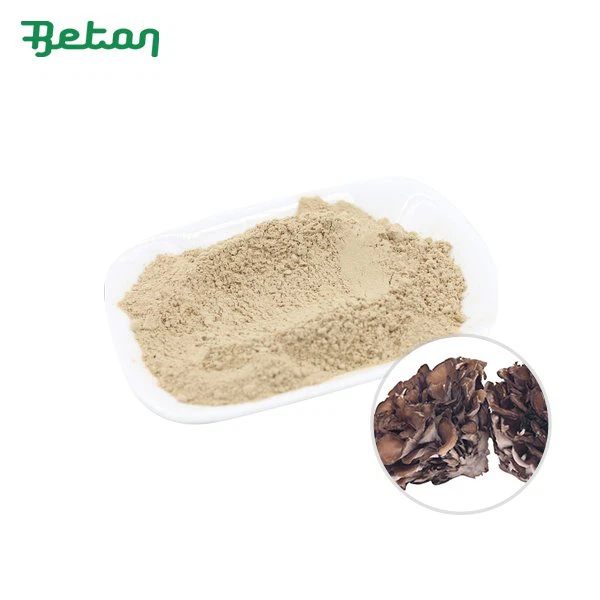
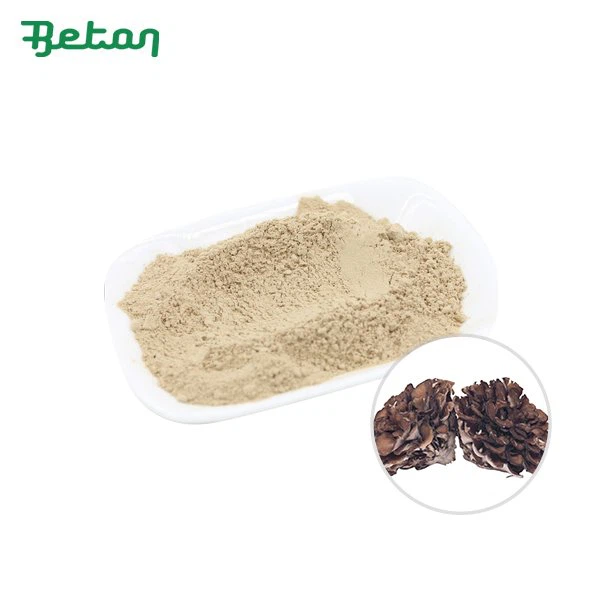
At our company, we take pride in offering a wide range of high-quality organic mushrooms and mushroom products. Our Organic Maitake Mushroom Powder is made from carefully selected maitake mushrooms, known for their health benefits and unique flavor. The powder can be easily added to smoothies, soups, or sauces for a nutritional boost.
We also offer Organic Cordyceps Mushroom Powder, which is derived from the cordyceps mushroom, a traditional Chinese medicinal mushroom. This powder is rich in antioxidants and can help support immune function and energy levels.
For those looking for a more concentrated form of mushroom goodness, our Organic Maitake Extract Powder is a great option. It contains a high concentration of the beneficial compounds found in maitake mushrooms and can be used in supplements or as a natural health tonic.
Conclusion
In conclusion, whether or not to soak organic mushrooms before cooking depends on the type of mushrooms and the desired outcome. Dried mushrooms generally benefit from soaking to rehydrate and clean them, while fresh mushrooms are best cleaned without soaking to preserve their flavor and texture. By following these guidelines and using the right techniques, you can ensure that your organic mushrooms are clean, delicious, and ready to be enjoyed in a variety of dishes.
If you're interested in learning more about our organic mushroom products or have any questions about mushroom preparation, please don't hesitate to contact us. We're always happy to assist you with your procurement needs and provide you with the information you need to make the most of our high-quality organic mushrooms.
References
- "The Mushroom Cultivator: A Practical Guide to Growing Mushrooms at Home" by Paul Stamets and J.S. Chilton
- "Mushrooms: A Natural and Cultural History" by Roger Phillips
- "The Complete Mushroom Hunter: An Illustrated Guide to Foraging, Harvesting, and Enjoying Wild Mushrooms" by Gary Lincoff