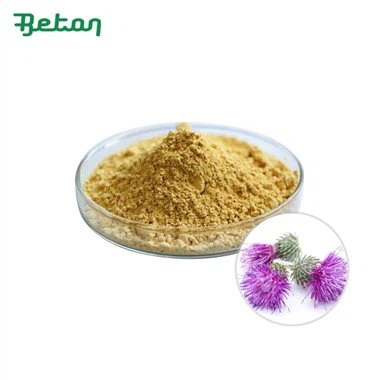
Hey there! As a supplier of Organic Hawthorn Powder, I've been getting a lot of questions lately about its potential uses. One query that keeps popping up is, "Can organic hawthorn powder be used in sauces?" Well, let's dive right into this topic and explore the possibilities.
First off, let's talk a bit about what organic hawthorn powder is. Hawthorn is a small, red fruit that comes from the hawthorn tree. It's been used in traditional medicine for centuries, especially in Chinese and European cultures. The powder is made by drying and grinding the hawthorn fruit, which retains all its natural goodness. It's rich in antioxidants, vitamins like vitamin C, and flavonoids, which are known for their health benefits.
Now, back to the main question: can it be used in sauces? The answer is a resounding yes! Organic hawthorn powder can bring a unique and exciting flavor profile to various types of sauces. Its taste is a combination of sweet and tart, similar to a blend of apples and cranberries. This sweet - tart balance can add depth and complexity to both savory and sweet sauces.
Savory Sauces
In savory sauces, organic hawthorn powder can work wonders. For example, in a barbecue sauce, it can replace some of the traditional sweeteners like brown sugar or honey. The natural sweetness of the hawthorn powder gives the sauce a more complex and nuanced flavor. It also has a bit of a tangy kick, which can cut through the richness of the meat that the barbecue sauce is typically paired with.
Let's say you're making a marinade for chicken or pork. You can mix some organic hawthorn powder with olive oil, garlic, and a touch of soy sauce. The hawthorn powder will not only add flavor but also help to tenderize the meat slightly due to its natural acidity. It's like a secret ingredient that takes your marinade from ordinary to extraordinary.
Another savory application is in a tomato - based sauce. If you're making a pasta sauce or a pizza sauce, adding a teaspoon or two of organic hawthorn powder can transform the flavor. It brightens up the sauce, making it less one - dimensional. The tartness of the hawthorn plays off the sweetness of the tomatoes, creating a more well - rounded taste.
Sweet Sauces
Sweet sauces can also benefit greatly from the addition of organic hawthorn powder. In a fruit - based sauce, like a berry sauce for pancakes or ice cream, it can enhance the overall flavor. If you're making a strawberry sauce, for instance, the hawthorn powder can add an extra layer of tartness that makes the strawberries taste even more vibrant.
You can also use it in a caramel sauce. Instead of using just regular sugar, add some organic hawthorn powder. The result is a caramel sauce with a unique flavor twist. The hawthorn powder gives it a bit of a fresh, fruity note that cuts through the cloying sweetness of the caramel.
How to Use Organic Hawthorn Powder in Sauces
When using organic hawthorn powder in sauces, start small. You can begin with a half - teaspoon per cup of sauce and then adjust according to your taste preferences. If you're using it in a cooked sauce, add it towards the end of the cooking process to preserve its flavor and nutritional value.


If you're making a cold sauce, like a vinaigrette, simply whisk the hawthorn powder into the other ingredients. It will dissolve easily and distribute evenly throughout the sauce.
Other Organic Powders to Combine
If you're feeling adventurous, you can combine organic hawthorn powder with other organic herb powders to create even more interesting sauce flavors. For example, Organic Dandelion Powder has a slightly bitter and earthy flavor that can complement the sweet - tartness of the hawthorn. Together, they can add a unique depth to a green salad dressing.
Organic Cayenne Powder is another great option. Its spicy kick can be paired with the hawthorn powder in a barbecue sauce to create a sweet - spicy flavor combination that's sure to be a hit.
And if you're looking for a more floral and aromatic sauce, Organic Dried Lavender Powder can be combined with hawthorn powder in a fruit - based sauce. The lavender adds a delicate floral note that pairs surprisingly well with the fruity flavor of the hawthorn.
Health Benefits in Sauces
Beyond the flavor, using organic hawthorn powder in sauces also brings some health benefits to the table. As mentioned earlier, it's rich in antioxidants. These antioxidants can help to reduce inflammation in the body and protect cells from damage. So, when you're enjoying your delicious sauce, you're also getting a little boost of nutrition.
It's also good for the heart. Hawthorn has been traditionally used to support cardiovascular health. By incorporating it into your sauces, you can make your meals not only tastier but also more heart - friendly.
Quality and Sourcing
As a supplier of organic hawthorn powder, I take great pride in the quality of our product. We source our hawthorn from organic farms where the fruit is grown without the use of pesticides, synthetic fertilizers, or genetically modified organisms. This ensures that you're getting a pure and natural product.
The powder is carefully processed to retain all its nutritional value. We use a gentle drying and grinding method that doesn't compromise the integrity of the hawthorn's beneficial compounds.
Conclusion
So, there you have it! Organic hawthorn powder can definitely be used in sauces, both savory and sweet. It adds a unique flavor profile, enhances the nutritional value, and can be combined with other organic powders for even more exciting taste experiences.
If you're a chef, a home cook, or a food manufacturer looking to experiment with new flavors, I encourage you to give organic hawthorn powder a try in your sauces. I'm here to provide you with high - quality organic hawthorn powder for all your sauce - making needs. If you're interested in purchasing or have any questions, feel free to reach out and start a conversation about how we can work together.
References
- “Hawthorn: Uses, Side Effects, Interactions, Dosage, and Warning.” WebMD.
- “Traditional Uses and Modern Pharmacological Actions of Hawthorn.” Journal of Ethnopharmacology.