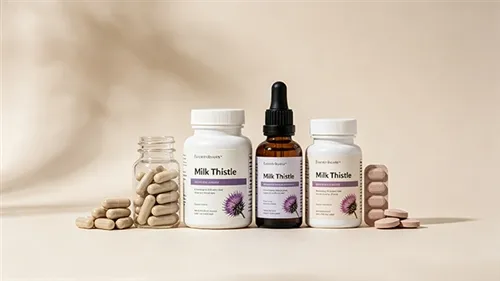
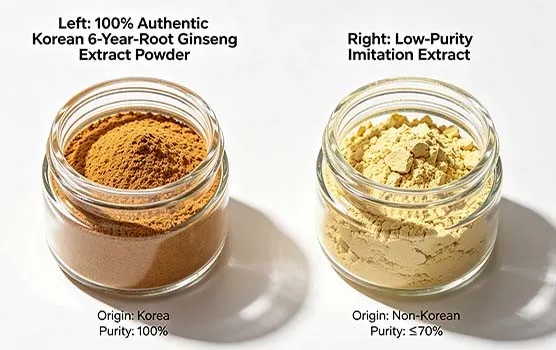
A Google search for the keyword "milk thistle extract" yields numerous related queries, the most popular of which is "Where can I find milk thistle extract?" This question, in fact, addresses two distinct audiences: the general consumer and the purchaser of health supplement raw materials. While some readers simply require small bottles of daily liver-support supplements, brand operators require bulk powdered raw materials to manufacture finished capsules, tinctures, or functional food formulations. To resolve these diverse procurement challenges, I will draw upon real-world industry experience and authoritative industry documentation to outline a comprehensive overview of retail channels for end consumers while simultaneously providing corporate buyers with systematic solutions for bulk procurement-thereby offering practical and actionable purchasing insights.
Retail Channels of Milk Thistle Extract for Individual End Users
Most casual searchers typing "where to find milk thistle extract" are ordinary customers looking for finished dietary supplements instead of bulk raw powder. Based on my market research across North American and European consumer markets, three mainstream retail channels cover nearly all individual purchasing scenarios.
First, offline physical shopping, including local pharmacies and regional wellness health stores. Chain drugstores and neighborhood health supermarkets routinely place milk thistle finished goods in liver-support supplement shelves. Shoppers can check product labels, ask store pharmacists about dosage guidance and get goods instantly without waiting for logistics. Second, mainstream cross-border online retail platforms, primarily Amazon and iHerb. These two marketplaces gather hundreds of well-known supplement brands with detailed user reviews, ingredient breakdowns and flexible shipping options, becoming the most popular choice for remote buyers who cannot access offline health shops conveniently. Third, official direct-to-consumer websites of supplement manufacturers. Many medium and large nutrition brands run independent official stores to sell self-developed milk thistle softgels, liquid drops and tablet products, often launching member-exclusive discounts for repeat customers.
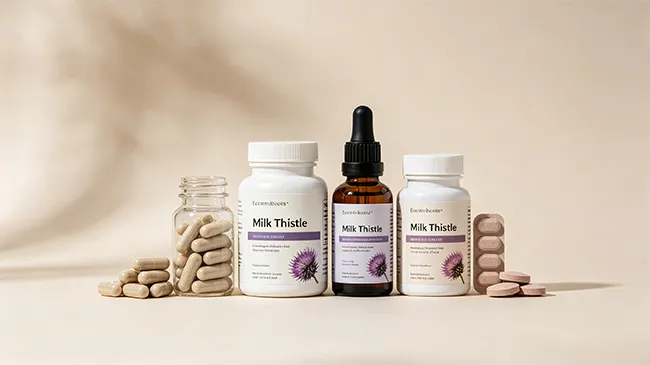
I always add a brief science introduction on core benefits here to satisfy educational reading needs. The key active compound inside milk thistle extract is silymarin, a group of flavonolignans proven to support hepatocyte protection and natural liver detoxification, helping mitigate liver oxidative damage triggered by excessive alcohol intake, irregular eating habits and environmental toxins. Common retail finished formulations include oral capsules, softgels, concentrated liquid tinctures and chewable tablets, varying in silymarin concentration from 100mg to 500mg per serving for different daily intake needs. This consumer-focused segment fulfills casual search intent, enriches page content comprehensiveness and helps improve organic index performance on Google.
Three Core Sourcing Channels for B2B Bulk Milk Thistle Extract Buyers
For enterprise clients such as supplement factories, skincare producers and wholesale distributors requiring bulk raw milk thistle extract, personal retail channels are completely unsuitable. From my long-term factory sourcing experience, three authoritative approaches efficiently locate certified bulk extract suppliers worldwide.
The first option is mainstream global B2B trading platforms, including Alibaba, Global Sources and Made-in-China. These platforms collect verified factory merchants with uploaded business licenses and qualification certificates; buyers can filter suppliers by production location, certification type, and existing inventory, quickly shortlist preliminary cooperative candidates after one round of online inquiry. Second, direct cooperation with global origin manufacturing bases. Two dominant production regions stand out in the global milk thistle extract industry: the Xi'an plant extract industrial cluster in China, famous for mature extraction industrial chain, complete testing labs and stable annual output; plus planting and processing bases across Hungary and Germany in Central Europe, which prioritize EU organic compliant raw materials with locally cultivated milk thistle herbs. Third, resource collection via professional industry exhibitions and authoritative herbal association directories represented by AHPA (American Herbal Products Association). AHPA's member supplier list strictly audits factory production qualification, while global natural ingredient expos connect purchasers with verified manufacturers face-to-face for factory inspection talks.

Five Essential Screening Standards to Pick Qualified Bulk Extract Suppliers
Over years assisting clients in supplier verification, I summarize five non-negotiable judging benchmarks to avoid inferior adulterated milk thistle extract during bulk sourcing.
Standardized silymarin content specification: Commercial mainstream specifications contain silymarin 70% and 80% tested via UV or HPLC detection, the most widely adopted standards for global supplement formulation; high-purity silibinin monomer is available for pharmaceutical-grade production as customized demand.
Extraction production technology: Two mainstream mature processes are ethanol reflux extraction and supercritical CO2 extraction; supercritical extraction owns advantages in fewer solvent residues and higher active ingredient retention with relatively higher unit cost.
Complete enterprise certifications: Valid GMP production certification, USDA organic certificate, EU organic certification and ISO quality management system certification are fundamental credentials proving standardized factory operation.
COA report and heavy metal residual testing: Formal suppliers must provide batch-specific Certificate of Analysis alongside heavy metal, pesticide residue and microbial test reports complying with international food safety limits before bulk order confirmation.
Minimum order quantity and real-time stock status: Confirm supplier's MOQ rules and spot inventory ahead of RFQ to prevent delayed delivery caused by out-of-stock raw materials.
Targeted Sourcing Plan Based on Different Order Volume & Regional Compliance Tips
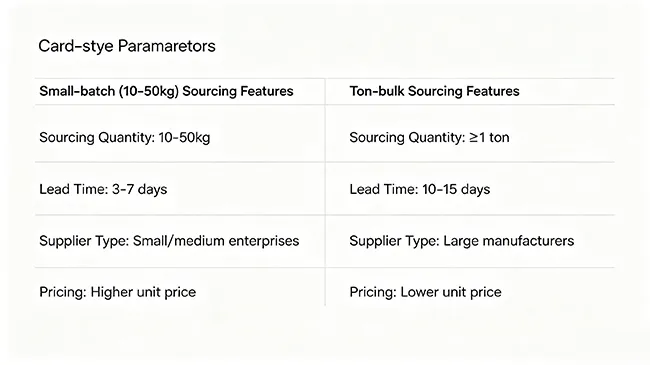
Different order quantities correspond to distinct cooperation partners. For small-batch orders ranging from 10kg to 50kg targeting startup supplement brands and small regional wholesalers, qualified intermediate bulk distributors are more flexible with low MOQ and split shipments. For large-scale ton-level bulk procurement from mature multinational nutrition brands, direct cooperation with origin manufacturers like our factory brings cost advantages and stable long-term supply. As our in-house policy, we maintain continuous spot inventory of mainstream milk thistle extract specs and support free product sample application for global purchasers to test quality before formal bulk order placement.
Meanwhile, cross-border buyers must obey regional ingredient access regulations. For goods sold into the US market, raw materials need to match FDA dietary ingredient safety requirements and relevant GRAS standards; for EU market imports, extract products need to follow updated EU novel food regulation rules and relevant herbal raw material registration clauses to avoid customs detention risks.
Whether you are an individual searching for a retail milk thistle supplement for liver care or a procurement specialist seeking bulk silymarin extract for industrial production, sorting out matching sourcing channels based on your purchase volume and regional market rules is the most efficient way to lock qualified products. If you intend to source bulk milk thistle extract with available spot goods or request free samples and detailed COA documents, feel free to submit your RFQ request via our inquiry form to get a customized quotation and technical support from our professional team.
Reference
[1] American Herbal Products Association (AHPA): Official database of herbal ingredient specifications & supplier qualification standards
[2] FDA.gov: Regulatory guidelines for dietary supplement raw material safety requirements
[3] European Commission Official Website: EU Novel Food Regulation on herbal extract access criteria