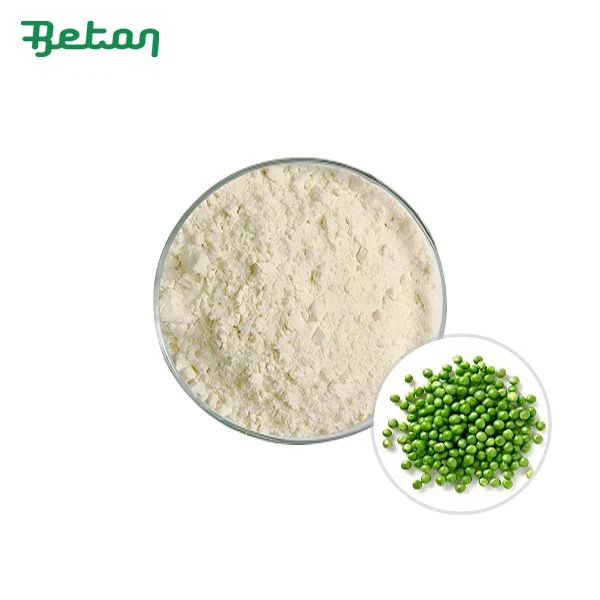
Raw organic pea protein powder has gained significant popularity in recent years, especially among health - conscious individuals, vegetarians, and athletes. As a supplier of raw organic pea protein powder, I've had the opportunity to closely examine and understand its unique texture. In this blog, I'll delve into the intricacies of what makes the texture of raw organic pea protein powder distinct, how it compares to other protein powders, and its implications for various applications.
Physical Appearance and Initial Texture
When you first open a container of raw organic pea protein powder, you'll notice its fine, powdery consistency. Unlike some protein powders that may have larger granules or a clumpy appearance, raw organic pea protein powder is typically very smooth. This is due in part to the processing methods used to extract the protein from the peas. Organic pea protein is often produced through a gentle extraction process that preserves the integrity of the protein molecules while also ensuring a uniform particle size.
The color of raw organic pea protein powder is usually a pale yellow or beige. This natural color comes from the peas themselves and is a sign of its purity. The lack of artificial colors or additives means that what you're getting is a truly natural product. The light color also gives it a clean and inviting look, which can be appealing to consumers.

Texture in Dry State
In its dry state, the powder flows easily. It has a silky feel when you run your fingers through it. There's no gritty or rough texture, which is important because a smooth powder is easier to measure and mix. This smoothness also indicates that the protein has been well - processed and that there are no large chunks or impurities present.
One of the advantages of this fine texture in the dry state is its solubility. Raw organic pea protein powder dissolves relatively quickly in both cold and warm liquids. This is in contrast to some other protein sources that may require vigorous shaking or stirring to break up clumps and fully dissolve. The solubility of the powder is crucial for its use in beverages, as it ensures a smooth and consistent drink.
Texture When Mixed with Liquids
When you mix raw organic pea protein powder with a liquid, such as water, milk, or a smoothie, it forms a homogeneous mixture. The powder blends seamlessly, creating a smooth and creamy texture. There are no lumps or grainy bits, which makes for a pleasant drinking experience. This is especially important for those who are using it as a post - workout recovery drink or as a meal replacement.
The texture of the mixture can vary depending on the ratio of powder to liquid. If you use more powder, the mixture will be thicker and more viscous. On the other hand, if you add more liquid, it will be thinner and more like a regular beverage. This versatility allows consumers to customize the texture according to their preferences.
In smoothies, raw organic pea protein powder can enhance the overall texture. It adds a rich and creamy element without overpowering the other ingredients. For example, when combined with fruits, vegetables, and yogurt, it creates a well - balanced and satisfying drink. The protein powder also helps to thicken the smoothie slightly, giving it a more substantial mouthfeel.
Comparison with Other Protein Powders
Compared to whey protein powder, raw organic pea protein powder has a different texture profile. Whey protein, especially isolate forms, can sometimes have a slightly chalky or metallic aftertaste and texture. In contrast, pea protein has a more neutral and natural flavor, and its texture is smoother and more pleasant.
Organic Sunflower Seed Protein Powder also has a unique texture. While it is also a plant - based protein, its texture can be a bit coarser than that of raw organic pea protein powder. The sunflower seed protein may require more effort to dissolve completely, and the resulting mixture may have a slightly grainier texture.
Organic Pea Isolate 80 Protein Powder is another option in the pea protein category. It has a similar texture to raw organic pea protein powder but may be even more concentrated in terms of protein content. The isolate form is often more refined, which can result in an even smoother texture and better solubility.
Organic Watermelon Seed Protein Powder has a texture that is somewhat different from pea protein. It can be a bit more fibrous, and the powder may not dissolve as quickly as raw organic pea protein powder. This can lead to a slightly less smooth texture in the final drink.
Texture in Food Applications
Raw organic pea protein powder is not only useful in beverages but also in various food applications. When used in baking, it can add protein to recipes without significantly altering the texture of the final product. For example, when added to muffins or bread, it can make the dough more elastic and the finished product more moist. The fine texture of the powder allows it to blend well with the other ingredients, ensuring an even distribution of protein throughout the baked goods.
In sauces and dressings, raw organic pea protein powder can act as a thickening agent. It gives the sauce a creamy texture and can enhance its nutritional value. The smoothness of the powder means that it won't clump up in the sauce, and it will create a consistent and appealing texture.
Implications of Texture for Consumers
The texture of raw organic pea protein powder has several implications for consumers. Firstly, the smooth texture makes it more enjoyable to consume. Whether it's in a drink or a food product, a smooth texture is more palatable and can encourage regular use. This is important for individuals who are trying to increase their protein intake as part of a healthy diet.
Secondly, the solubility and blendability of the powder make it convenient. Consumers can easily add it to their daily routine without having to spend a lot of time or effort on preparation. This convenience factor is a major selling point, especially for busy people who are on the go.
Finally, the texture can also affect the perception of quality. A smooth, creamy, and well - blended product is often associated with a high - quality protein source. Consumers are more likely to trust and continue using a product that has a good texture and provides a positive sensory experience.
Conclusion
As a supplier of raw organic pea protein powder, I'm proud to offer a product with such a unique and appealing texture. Its fine, smooth, and versatile texture sets it apart from other protein sources. Whether it's in its dry state, when mixed with liquids, or used in food applications, raw organic pea protein powder performs well and provides a high - quality experience for consumers.
If you're interested in learning more about our raw organic pea protein powder or are looking to start a procurement process, please feel free to reach out. We're happy to discuss your needs and provide samples for you to test the texture and quality of our product firsthand. We believe that once you experience the smoothness and versatility of our raw organic pea protein powder, you'll understand why it's a top choice for protein supplementation.
References
- "Plant - Based Proteins: Chemistry, Functionality, and Applications" by Mingfu Wang
- "Protein Quality Evaluation: New Perspectives" by Fidel Toldrá