What is the Best Humidity Level for Growing Organic Mushrooms?
As a supplier of organic mushrooms, I've spent years exploring the intricate details of mushroom cultivation. One of the most crucial factors in growing healthy and high - quality organic mushrooms is maintaining the right humidity level. In this blog, I'll share my insights on the ideal humidity for different types of organic mushrooms and how it impacts their growth.
Why Humidity Matters in Mushroom Cultivation
Mushrooms are unique organisms that lack a traditional root system for water absorption. Instead, they rely on their environment to obtain moisture. The right humidity level ensures proper cell expansion, enzyme activity, and overall metabolic processes in mushrooms. Insufficient humidity can lead to stunted growth, dryness, and a decrease in yield. On the other hand, excessive humidity can create a breeding ground for mold, bacteria, and other pathogens, which can ruin an entire crop.

Humidity Requirements for Different Organic Mushroom Types
Shiitake Mushrooms
Shiitake mushrooms are one of the most popular varieties in the organic mushroom market. During the mycelium colonization stage, a humidity level of around 70 - 75% is ideal. This high humidity helps the mycelium spread quickly through the substrate, such as sawdust or logs. Once the mycelium has fully colonized the substrate and it's time for fruiting, the humidity should be increased to 85 - 90%. This higher humidity encourages the formation of primordia, which are the tiny mushroom buds. As the shiitake mushrooms grow, maintaining this high humidity ensures that they develop into plump, healthy specimens. For more information about our Organic Shiitake Mushroom Extract Powder, feel free to explore our product page.
Maitake Mushrooms
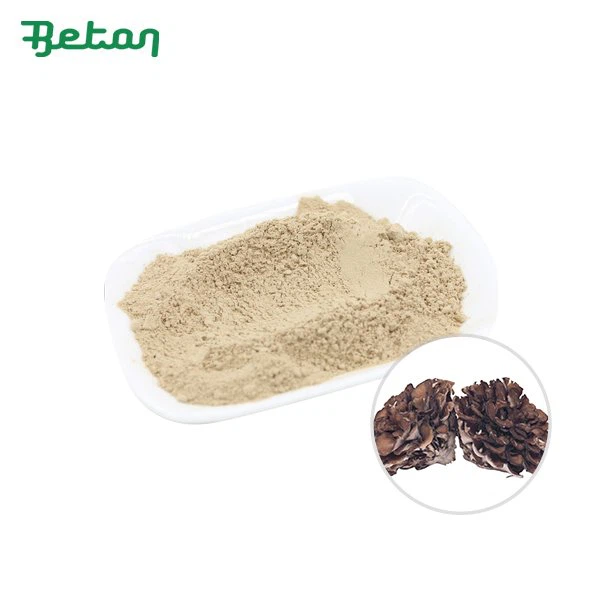
Maitake mushrooms, also known as hen - of - the - woods, have slightly different humidity requirements. In the initial growth phase of mycelium, a humidity of 65 - 70% is sufficient. This allows the mycelium to establish itself without the risk of excessive moisture - related issues. When it comes to the fruiting stage, maitake mushrooms thrive in a humidity range of 80 - 85%. At this level, the mushrooms can form their characteristic large, frilly clusters. Our Organic Maitake Extract Powder is made from these carefully cultivated mushrooms, ensuring high - quality and natural goodness.
Cordyceps Mushrooms
Cordyceps mushrooms are a bit more sensitive to humidity changes. During the mycelium growth, a humidity of 70 - 75% is recommended. Cordyceps have a symbiotic relationship with insects in nature, and in cultivation, the right humidity helps mimic their natural environment. For the fruiting stage, a humidity of 85 - 95% is necessary. This high humidity is crucial for the development of the unique fruiting bodies of cordyceps. Our Organic Cordyceps Mushroom Powder is sourced from cordyceps mushrooms grown under optimal humidity conditions.
Controlling Humidity in the Mushroom Growing Environment
Maintaining the right humidity level in a mushroom growing facility requires careful planning and the use of appropriate equipment. Here are some common methods:
- Humidifiers: Ultrasonic or evaporative humidifiers can be used to increase the humidity in the growing area. These devices release fine mist or water vapor into the air, raising the humidity levels.
- Ventilation: Proper ventilation is essential to prevent the buildup of stagnant, humid air. By controlling the airflow, you can remove excess moisture and maintain a stable humidity level. However, it's important to balance ventilation with humidity retention, as too much ventilation can cause the humidity to drop too quickly.
- Water Trays: Placing water trays in the growing area can help increase humidity through natural evaporation. The size and number of water trays depend on the size of the growing space.
Monitoring Humidity
To ensure that the humidity levels are within the desired range, it's crucial to use reliable humidity monitoring devices. Hygrometers are commonly used in mushroom cultivation. There are both analog and digital hygrometers available. Digital hygrometers are more accurate and often come with additional features such as data logging, which allows you to track humidity changes over time.
Impact of Humidity on Mushroom Quality and Yield
The humidity level has a direct impact on the quality and yield of organic mushrooms. When the humidity is too low, mushrooms may develop dry, brittle caps and stems. They may also have a lower water content, which can affect their flavor and texture. On the other hand, high - quality mushrooms grown at the right humidity levels are plump, juicy, and have a rich, earthy flavor. In terms of yield, maintaining the correct humidity throughout the growth cycle can significantly increase the number of mushrooms produced. This is because proper humidity promotes healthy mycelium growth, primordia formation, and mushroom development.
Conclusion
In conclusion, the best humidity level for growing organic mushrooms varies depending on the type of mushroom and the growth stage. By understanding these requirements and implementing effective humidity control and monitoring methods, mushroom growers can produce high - quality, organic mushrooms. As an organic mushroom supplier, I'm committed to providing the best products to my customers. If you're interested in purchasing our organic mushrooms or mushroom extracts, I encourage you to reach out for a procurement discussion. We can work together to meet your specific needs and ensure a successful partnership.
References
- Stamets, P. (2005). Growing Gourmet and Medicinal Mushrooms. Ten Speed Press.
- Chang, S. T., & Miles, P. G. (2004). Mushroom Biology: A New Science, A New Industry, A New Technology. CRC Press.