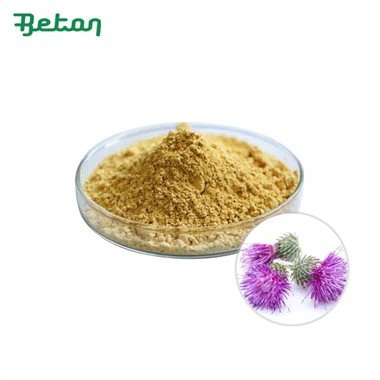
As a supplier of Organic Maca Root Extract, I understand the importance of being well - informed about the regulations surrounding this product. In this blog, I will delve into the various aspects of the regulations that govern Organic Maca Root Extract to help you better understand its production, distribution, and use.
Organic Certification
One of the primary regulations for Organic Maca Root Extract is obtaining organic certification. This certification ensures that the maca root used in the extract is grown without the use of synthetic pesticides, fertilizers, genetically modified organisms (GMOs), and irradiation. In the United States, the National Organic Program (NOP) sets the standards for organic products. To be certified organic, farmers must follow strict guidelines throughout the cultivation process.
The maca root must be grown in soil that has been free from prohibited substances for at least three years. During the growth period, only natural fertilizers and pest control methods are allowed. For example, compost, manure, and beneficial insects can be used to nourish the plants and control pests. Additionally, the processing of the maca root into extract must also adhere to organic standards. No synthetic solvents or chemical additives can be used in the extraction process.
In Europe, the European Union Organic Farming Regulation (EC) No 834/2007 and its implementing regulations govern organic production. Similar to the NOP, it prohibits the use of synthetic chemicals and GMOs in the cultivation and processing of organic products. The organic certification process in Europe involves inspections by authorized certifying bodies to ensure compliance with these regulations.
Quality and Purity Standards
Apart from organic certification, there are also quality and purity standards for Organic Maca Root Extract. These standards are in place to ensure that the product is safe for consumption and meets the claimed specifications.
The extract should be free from contaminants such as heavy metals (e.g., lead, mercury, cadmium), pesticides, and microbial contaminants. For heavy metals, regulatory agencies often set maximum allowable limits. For instance, the World Health Organization (WHO) has established guidelines for acceptable levels of heavy metals in food products. Suppliers of Organic Maca Root Extract are required to test their products regularly to ensure that they meet these limits.
Microbial contamination is another important aspect. The extract should not contain harmful bacteria, fungi, or yeasts. Testing for common pathogens such as Salmonella, Escherichia coli (E. coli), and Staphylococcus aureus is typically conducted. Good manufacturing practices (GMP) are also essential in maintaining the quality and purity of the extract. GMP guidelines cover aspects such as facility design, personnel hygiene, and record - keeping to ensure that the production process is consistent and of high quality.
Labeling Regulations
Labeling regulations play a crucial role in providing consumers with accurate information about the product. When it comes to Organic Maca Root Extract, the label must clearly state that it is organic. It should also include information about the source of the maca root, the extraction method used, and the active ingredients.
In the United States, the Federal Food, Drug, and Cosmetic Act (FD&C Act) and its associated regulations govern food labeling. The label must not be false or misleading. If the product claims to have certain health benefits, it must be supported by scientific evidence. For example, if the label claims that the Organic Maca Root Extract can improve energy levels, there should be clinical studies or research to back up this claim.
In addition, the label should provide instructions for use, storage conditions, and any potential side effects or warnings. For example, if the extract may interact with certain medications, this information should be clearly stated on the label.
Marketing and Advertising Regulations
Marketing and advertising of Organic Maca Root Extract are also subject to regulations. In many countries, it is illegal to make unsubstantiated health claims. As mentioned earlier, any health claims made about the product must be supported by scientific evidence.
For example, in the United States, the Federal Trade Commission (FTC) enforces truth - in - advertising laws. If a supplier makes a claim such as "Organic Maca Root Extract can cure diabetes," without proper scientific backing, it can be considered false advertising. The FTC can take legal action against the supplier, including fines and product recalls.
In the European Union, the General Food Law (Regulation (EC) No 178/2002) and the Nutrition and Health Claims Regulation (EC) No 1924/2006 regulate food advertising. Health claims must be approved by the European Food Safety Authority (EFSA) before they can be used on product labels or in advertising.
Comparison with Other Organic Extracts
When considering Organic Maca Root Extract, it's also interesting to compare it with other organic extracts. For example, Organic Red Ginseng Extract Powder is another popular organic plant extract. Both maca root and red ginseng are known for their potential health benefits. However, they have different active ingredients and mechanisms of action.
Red ginseng contains ginsenosides, which are believed to have adaptogenic properties, helping the body to cope with stress. On the other hand, maca root contains macamides and macaenes, which are thought to have effects on hormonal balance and energy levels. The regulations for Organic Red Ginseng Extract Powder are similar to those of Organic Maca Root Extract in terms of organic certification, quality standards, and labeling requirements.
Organic Magnolia Officinalis Extract Powder is also subject to similar regulations. Magnolia officinalis extract is known for its potential anti - inflammatory and antioxidant properties. The cultivation of magnolia officinalis for organic extract production must follow organic farming practices, and the extraction process must meet quality and purity standards.
Organic Pomegranate Extract Powder is yet another example. Pomegranate extract is rich in antioxidants such as polyphenols. Like other organic extracts, it must comply with organic and quality regulations. The regulations ensure that consumers can trust the quality and safety of these organic plant extracts.
Conclusion
In conclusion, the regulations regarding Organic Maca Root Extract are comprehensive and cover various aspects from cultivation to marketing. As a supplier, I am committed to complying with these regulations to provide high - quality, safe, and reliable Organic Maca Root Extract to my customers.
If you are interested in purchasing Organic Maca Root Extract or have any questions about our products, please feel free to contact us for a detailed discussion. We are more than happy to assist you in finding the right Organic Maca Root Extract for your needs.


References
- National Organic Program (NOP), United States Department of Agriculture (USDA).
- European Union Organic Farming Regulation (EC) No 834/2007 and its implementing regulations.
- Federal Food, Drug, and Cosmetic Act (FD&C Act), United States.
- Federal Trade Commission (FTC) regulations on truth - in - advertising.
- European Food Safety Authority (EFSA) regulations on health claims.
- World Health Organization (WHO) guidelines on heavy metals in food products.