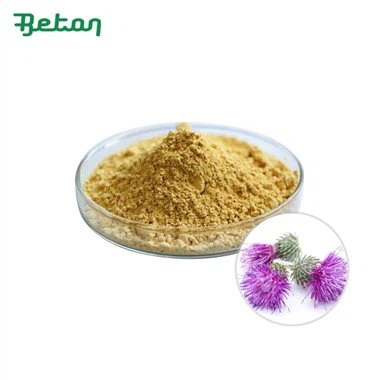
Hey there! As a supplier of Organic Hawthorn Powder, I've got a bunch of insights to share about the precautions you should take when using this amazing product. Organic hawthorn powder is derived from the hawthorn plant, which has been used for centuries in traditional medicine for its potential health benefits. But like any supplement, it's important to use it correctly to ensure you're getting the most out of it while staying safe.
1. Allergies and Sensitivities
First off, let's talk about allergies. Just like with any food or supplement, some folks might be allergic to hawthorn. If you've had an allergic reaction to hawthorn or other plants in the Rosaceae family (think apples, cherries, and almonds), you should steer clear of organic hawthorn powder. Symptoms of an allergic reaction can include itching, swelling, hives, and difficulty breathing. If you experience any of these symptoms after taking hawthorn powder, stop using it right away and seek medical help.
Even if you're not allergic, you might still be sensitive to hawthorn. Some people may experience mild side effects like upset stomach, nausea, or dizziness. If you're trying hawthorn powder for the first time, start with a small dose and see how your body reacts. If you notice any negative effects, reduce the dose or stop using it altogether.
2. Medication Interactions
One of the most important things to consider when using organic hawthorn powder is its potential to interact with certain medications. Hawthorn can affect the way your body processes drugs, so it's crucial to talk to your doctor before taking it if you're on any prescription medications.
For example, hawthorn may interact with blood pressure medications. It has been shown to have a mild blood pressure-lowering effect, so if you're already taking medication to control your blood pressure, combining it with hawthorn powder could cause your blood pressure to drop too low. This can lead to symptoms like dizziness, fainting, and even organ damage in severe cases.
Hawthorn may also interact with heart medications, such as digoxin. Combining hawthorn with digoxin can increase the levels of the drug in your body, which can be dangerous. It's important to let your doctor know if you're taking hawthorn powder so they can monitor your medication levels and adjust your dosage if necessary.
In addition to blood pressure and heart medications, hawthorn may interact with other drugs, including sedatives, anticoagulants, and antiarrhythmics. Always consult with your healthcare provider before using hawthorn powder if you're taking any medications.
3. Pregnancy and Breastfeeding
If you're pregnant or breastfeeding, it's best to avoid using organic hawthorn powder. There isn't enough research to determine whether hawthorn is safe for pregnant or breastfeeding women, so it's better to err on the side of caution.
Hawthorn has been shown to have uterine-stimulating effects, which could potentially cause contractions and lead to miscarriage or premature labor. It's also not clear whether hawthorn passes into breast milk and if it could have any negative effects on a nursing baby. Until more research is done, it's best to wait until after pregnancy and breastfeeding to use hawthorn powder.
4. Dosage and Usage
When it comes to using organic hawthorn powder, it's important to follow the recommended dosage. The appropriate dosage can vary depending on your age, health status, and the reason you're taking hawthorn.
Typically, the recommended dosage of hawthorn powder ranges from 300 to 1,000 milligrams per day, divided into two or three doses. However, it's always a good idea to start with a lower dose and gradually increase it as needed. You can take hawthorn powder with or without food, but it's best to take it at the same time each day to maintain consistent levels in your body.
It's also important to note that hawthorn powder is not a substitute for a healthy diet and lifestyle. While it may have some potential health benefits, it's still important to eat a balanced diet, exercise regularly, and get enough sleep.
5. Quality and Purity
As a supplier of organic hawthorn powder, I know how important it is to ensure the quality and purity of the product. When choosing a hawthorn powder, look for a reputable brand that uses organic ingredients and follows good manufacturing practices.
Organic hawthorn powder is free from pesticides, herbicides, and other harmful chemicals, which makes it a safer and more natural option. It's also important to choose a product that has been tested for purity and potency. Look for a brand that provides third-party testing results to ensure that the product contains the amount of hawthorn extract stated on the label.
In addition to hawthorn powder, we also offer other high-quality organic herb powders, such as Organic Dandelion Powder, Organic Raw Beet Root Powder, and Organic Horsetail Powder. These powders are also rich in nutrients and have potential health benefits.
Conclusion
Organic hawthorn powder can be a great addition to your health routine, but it's important to use it safely and responsibly. By following these precautions, you can minimize the risk of side effects and ensure that you're getting the most out of this amazing product.
If you have any questions or concerns about using organic hawthorn powder, or if you're interested in purchasing our high-quality organic herb powders, feel free to reach out. We're here to help you make informed decisions about your health and wellness.


References
- "Hawthorn." National Center for Complementary and Integrative Health.
- "Herb-Drug Interactions." Memorial Sloan Kettering Cancer Center.
- "Safety of Herbal Supplements During Pregnancy and Breastfeeding." American College of Obstetricians and Gynecologists.