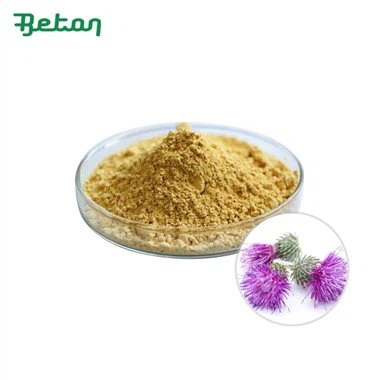
Hey there! I'm a supplier of Organic Herb Powder, and today I wanna chat about the ethical considerations in sourcing these amazing products. As someone in the industry, I know firsthand how important it is to make sure our sourcing practices are not only sustainable but also ethical.


Environmental Sustainability
First off, let's talk about the environment. When sourcing organic herb powders, we gotta think about how our actions impact the planet. Organic farming is a great start because it avoids the use of synthetic pesticides and fertilizers. These chemicals can harm the soil, water, and wildlife. For example, pesticides can kill beneficial insects like bees, which are crucial for pollination.
We also need to consider the land use. Deforestation for agricultural purposes is a huge problem. When we source herbs, we should ensure that the land used for growing them is not contributing to deforestation. Instead, we can look for farms that practice regenerative agriculture, which helps to improve soil health and sequester carbon.
Another aspect of environmental sustainability is water conservation. Herbs need water to grow, but we should make sure that the water used in the farming process is managed efficiently. This could mean using drip irrigation systems or collecting rainwater.
Social Responsibility
Now, let's move on to social responsibility. The people involved in the herb-growing process are just as important as the environment. We need to ensure that the farmers and workers are treated fairly. This includes paying them a fair wage and providing them with safe working conditions.
In some regions, there are issues with child labor and forced labor in the agricultural industry. As a responsible supplier, we have to do our due diligence to make sure that our supply chain is free from these unethical practices. We can work with certification bodies to verify that the farms we source from meet certain social standards.
We also need to consider the impact of our sourcing on the local communities. For example, if we source herbs from a small village, we should try to support the local economy by buying other products from the community or investing in local infrastructure.
Quality and Purity
Ethical sourcing also means ensuring the quality and purity of the organic herb powders. We need to make sure that the herbs are grown and processed in a way that maintains their nutritional value and medicinal properties.
This starts with the selection of the seeds or seedlings. We should choose varieties that are well-suited to the local growing conditions and have a high content of the desired active ingredients. During the growing process, we need to monitor the herbs for pests and diseases using organic methods.
After harvesting, the herbs need to be processed properly. This includes drying, grinding, and packaging. We should use equipment that is clean and free from contaminants. And of course, we need to test the final product to ensure that it meets our quality standards.
Transparency and Traceability
Transparency and traceability are key in ethical sourcing. As a supplier, I believe in being open and honest about where our herbs come from and how they are processed. This allows our customers to make informed decisions about the products they are buying.
We can use technology to track the journey of our herbs from the farm to the final product. This could involve using barcodes or QR codes on the packaging. Customers can then scan these codes to access information about the origin of the herbs, the farming methods used, and the processing steps.
Examples of Ethical Sourcing in Our Product Line
Let's take a look at some of the products in our line and how we ensure ethical sourcing.
Organic Gotu Kola Powder
Organic Gotu Kola Powder is a popular herb known for its potential health benefits. We source our gotu kola from farms in Southeast Asia that practice organic farming. These farms use natural fertilizers and pest control methods, which helps to protect the environment. The farmers are paid a fair wage, and the working conditions are safe.
Organic Cumin Powder
Organic Cumin Powder is another staple in our product line. We source our cumin from farms in the Middle East. These farms have a long history of growing cumin using traditional methods. We work closely with the farmers to ensure that they are using sustainable farming practices and that they are treated fairly.
Organic Matcha Powder Bulk
Organic Matcha Powder Bulk is a high-quality green tea powder. We source our matcha from organic tea farms in Japan. These farms follow strict organic standards and use sustainable farming techniques. The tea leaves are hand-picked to ensure the highest quality.
Why Ethical Sourcing Matters
Ethical sourcing matters for several reasons. First of all, it's the right thing to do. We have a responsibility to protect the environment and treat people fairly. By sourcing our organic herb powders ethically, we can make a positive impact on the world.
Secondly, ethical sourcing can also benefit our business. Consumers are becoming more aware of the importance of ethical and sustainable products. By offering high-quality, ethically sourced organic herb powders, we can attract more customers and build a loyal customer base.
Finally, ethical sourcing can help to ensure the long-term viability of the organic herb powder industry. By protecting the environment and supporting the people involved in the supply chain, we can ensure that there will be a steady supply of high-quality herbs for future generations.
Contact Us for Ethical Organic Herb Powders
If you're interested in purchasing our ethically sourced organic herb powders, we'd love to hear from you. Whether you're a retailer, a manufacturer, or an individual consumer, we can provide you with the products you need. Just reach out to us, and we'll be happy to discuss your requirements and provide you with a quote.
Let's work together to make the world a better place, one herb powder at a time!
References
- "Organic Agriculture and the Environment." Food and Agriculture Organization of the United Nations.
- "Social Responsibility in the Agricultural Industry." International Labour Organization.
- "Quality Control in Herbal Product Manufacturing." Journal of Herbal Medicine.