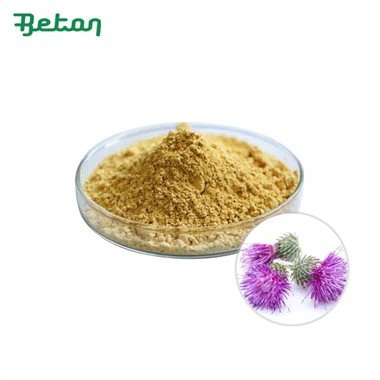
Hey there! I'm a supplier of Organic Passion Flower Powder, and I know how crucial it is to store this amazing stuff properly. In this blog, I'll share some tips on how to keep your Organic Passion Flower Powder in top - notch condition.
Why Proper Storage Matters
First off, let's talk about why proper storage is so important. Organic Passion Flower Powder is made from the dried and ground parts of the passion flower plant. It's full of beneficial compounds like flavonoids and alkaloids that give it its calming and relaxing properties. But these compounds can break down over time if the powder isn't stored correctly.
When the powder is exposed to unfavorable conditions, its quality can decline. The flavor might change, and it could lose some of its potency. That means you won't get the full benefits when you use it, whether it's for making a soothing tea or adding it to your health supplements.
Ideal Storage Conditions
Temperature
Temperature plays a huge role in storing Organic Passion Flower Powder. You want to keep it in a cool place. Room temperature is okay, but it's even better if you can store it in a spot where the temperature stays below 70°F (21°C). Heat can speed up the degradation of the powder's active ingredients.


If it gets too hot, the powder might start to clump up, and its chemical composition could change. So, avoid storing it near heat sources like stoves, radiators, or direct sunlight. A pantry or a cabinet in a cool room is a great choice.
Humidity
Humidity is another enemy of Organic Passion Flower Powder. Moisture can cause the powder to clump and become a breeding ground for mold and bacteria. You should aim to keep the humidity level in the storage area below 60%.
A dry environment is key. If you live in a humid climate, you might want to use a dehumidifier in the storage room. Also, make sure the container you store the powder in is air - tight to prevent moisture from getting in.
Light
Light, especially direct sunlight, can also damage the powder. Ultraviolet rays can break down the active compounds in the powder. So, store it in a dark place. You can use opaque containers or keep it in a closed cabinet.
If you have a clear container, wrap it in a dark cloth or store it in a box to protect it from light. This way, you'll preserve the powder's quality for longer.
Choosing the Right Container
The container you use to store Organic Passion Flower Powder is very important. It should be air - tight to keep out air, moisture, and light.
Glass jars with tight - fitting lids are a great option. They're non - reactive, which means they won't interact with the powder and change its properties. Plastic containers can also work, but make sure they're made of food - grade plastic and have a good seal.
Avoid using containers that are too big for the amount of powder you have. Extra air inside the container can cause oxidation, which is bad for the powder. So, choose a container that fits the powder snugly.
Additional Tips for Long - Term Storage
If you want to store Organic Passion Flower Powder for a long time, here are some extra tips.
Vacuum Sealing
Vacuum sealing is a great way to extend the shelf life of the powder. It removes the air from the container, which slows down the oxidation process. You can buy a vacuum sealer at a home goods store. Just put the powder in a vacuum - seal bag, and use the sealer to remove the air.
Refrigeration or Freezing
For even longer storage, you can refrigerate or freeze the powder. Refrigeration can keep the powder fresh for up to a year, and freezing can extend its shelf life even further.
If you choose to refrigerate or freeze the powder, make sure to use an air - tight container. When you take it out, let it come to room temperature before opening it. This prevents moisture from condensing inside the container.
Comparing with Other Organic Powders
As a supplier, I also offer other organic powders like Organic Acv Powder, Organic Red Ginseng Extract Powder, and Organic Ziziphus Jujube Extract Powder. While the basic storage principles are similar, each powder has its own unique characteristics.
For example, Organic Acv Powder is more acidic, so it might be a bit more stable in terms of mold growth. But it still needs to be stored in a cool, dry place to maintain its flavor and potency.
Organic Red Ginseng Extract Powder is rich in antioxidants, but it can also be sensitive to heat and light. Proper storage is crucial to preserve its beneficial effects.
Organic Ziziphus Jujube Extract Powder has a sweet flavor and is often used in traditional medicine. It should be stored in the same way as Organic Passion Flower Powder to keep its quality intact.
Checking the Quality of Stored Powder
Even if you store the powder properly, it's a good idea to check its quality regularly. Look for any signs of clumping, discoloration, or an off - smell. If the powder has clumped, you can try to break it up gently with a fork.
If it has a strange smell or looks discolored, it might be time to replace it. Remember, using high - quality powder is essential to get the best results.
Conclusion
Storing Organic Passion Flower Powder properly is essential to maintain its quality and potency. By following these tips on temperature, humidity, light, and container selection, you can ensure that your powder stays fresh for a long time.
If you're interested in purchasing Organic Passion Flower Powder or any of our other organic powders like Organic Acv Powder, Organic Red Ginseng Extract Powder, or Organic Ziziphus Jujube Extract Powder, feel free to reach out for a purchase negotiation. We're always happy to help you get the best organic products for your needs.
References
- "Handbook of Herbal Medicine" by Simon Mills and Kerry Bone
- "The Science of Herbs and Spices" by Ilias Chinou