Can Organic Gotu Kola Powder be given to children?
As a supplier of Organic Gotu Kola Powder, I often receive inquiries from concerned parents and guardians about the suitability of this natural product for children. This blog aims to provide a comprehensive and science - based analysis of whether Organic Gotu Kola Powder can be given to children.
What is Organic Gotu Kola Powder?
Gotu kola, scientifically known as Centella asiatica, is a herb that has been used in traditional medicine systems such as Ayurveda and traditional Chinese medicine for centuries. It is rich in various bioactive compounds including triterpenoids, flavonoids, and polyphenols. These compounds are believed to contribute to its potential health benefits, such as improving cognitive function, promoting wound healing, and reducing anxiety.
Organic Gotu Kola Powder is made from the dried and ground leaves of the gotu kola plant, ensuring that it is free from synthetic pesticides, fertilizers, and genetically modified organisms. This makes it an appealing option for those seeking natural and healthy alternatives.
Potential Benefits of Gotu Kola for Children
- Cognitive Development
Some studies suggest that gotu kola may have a positive impact on cognitive function. The bioactive compounds in gotu kola are thought to enhance blood circulation to the brain, which can potentially improve memory, concentration, and learning ability in children. For growing kids, especially those in school, this could be beneficial in their academic performance. - Skin Health
Gotu kola has long been used topically to promote wound healing and improve skin health. In children, it may help with minor cuts, scrapes, and skin irritations. When consumed as a powder, the internal intake of gotu kola may also support overall skin health by providing essential nutrients and antioxidants. - Stress and Anxiety Reduction
Children can experience stress and anxiety just like adults, especially during times of exams, social challenges, or family changes. Gotu kola is believed to have adaptogenic properties, which means it can help the body adapt to stress. By reducing stress levels, it may contribute to the emotional well - being of children.
Safety Considerations
- Lack of Sufficient Research
One of the main concerns when it comes to giving Organic Gotu Kola Powder to children is the lack of extensive clinical research specifically on pediatric populations. Most of the studies on gotu kola have been conducted on adults, and the safety and efficacy in children are not well - established. This means that the long - term effects of regular consumption of gotu kola powder in children are still unknown. - Potential Side Effects
Gotu kola may cause some side effects, although they are generally mild in adults. These can include drowsiness, nausea, and allergic reactions. In children, these side effects may be more pronounced, and there is also a risk of an allergic reaction that could be more severe. Additionally, since gotu kola can interact with certain medications, it is important to consult a healthcare provider if a child is taking any other drugs. - Dosage
Determining the appropriate dosage of Organic Gotu Kola Powder for children is challenging. There are no official guidelines for pediatric use, and factors such as age, weight, and overall health need to be considered. Giving too much gotu kola powder could potentially lead to adverse effects, while too little may not provide any benefits.
Alternative Organic Products for Children
If you are hesitant about giving Organic Gotu Kola Powder to your child, there are other organic herbal powders that may be more suitable. For example, Organic Horsetail Powder is rich in silica, which is important for bone health and hair growth in children. It is also generally considered safe when used in appropriate amounts.
Raw Organic Wheat Grass Powder is another great option. It is a nutrient - dense superfood that contains vitamins, minerals, and antioxidants. It can help boost the immune system and provide essential nutrients for growing children.
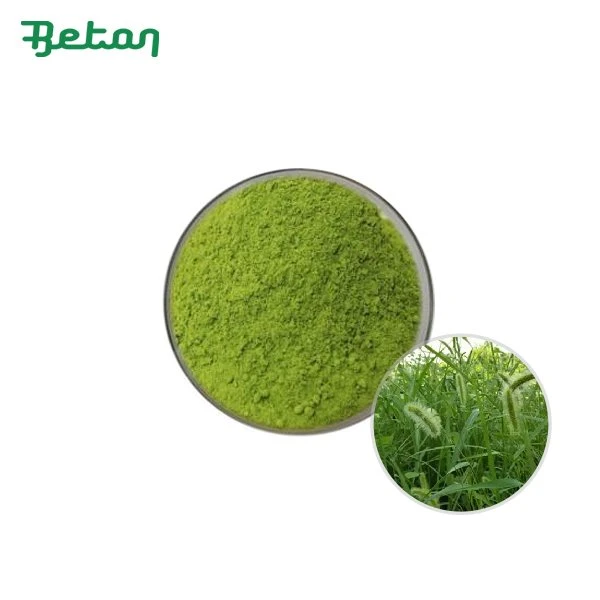

Rhubarb Extract Powder has been used in traditional medicine for digestive health. It may help with constipation and other digestive issues in children, promoting a healthy gut.
Consultation with Healthcare Professionals
Before giving any herbal supplement, including Organic Gotu Kola Powder, to your child, it is crucial to consult with a qualified healthcare professional. A pediatrician or a naturopathic doctor can provide personalized advice based on your child's specific health needs, medical history, and any potential interactions with other medications or supplements.
Our Commitment as a Supplier
As a supplier of Organic Gotu Kola Powder, we are committed to providing high - quality, pure, and organic products. Our gotu kola powder is sourced from trusted farms and undergoes strict quality control measures to ensure its safety and efficacy. However, we also understand the importance of responsible use, especially when it comes to children. We encourage all customers to seek professional advice before using our products for pediatric purposes.
Contact Us for Purchase and Consultation
If you are interested in learning more about our Organic Gotu Kola Powder or other organic herbal products, we welcome you to contact us. We are happy to answer any questions you may have and provide more information about the products. Whether you are a parent looking for natural health options for your child or a retailer interested in stocking our products, we are here to assist you in your purchasing decisions.
References
- Bilia, A. R., Bergonzi, M. C., Gagliardi, A., Vincieri, F. F., & Bombardelli, E. (2008). Centella asiatica: from traditional use to modern medicine. Phytotherapy Research, 22(12), 1525 - 1539.
- Calabrese, C., & Gregory, P. (2010). Centella asiatica: a review of its phytochemistry, pharmacology, and clinical use. Alternative Medicine Review, 15(4), 333 - 341.
- Ernst, E. (2006). The risk - benefit profile of commonly used herbal therapies: ginkgo, St. John's wort, ginseng, echinacea, saw palmetto, and kava. Annals of Internal Medicine, 145(4), 287 - 295.